U-factor measures heat transfer. Lower is better. The lower the number, the more insulation the window provides, which can reduce your energy bills.
| Material | Cost/window (installed)* | U-factor | Maintenance | Lifespan |
|---|---|---|---|---|
| Vinyl | $300–$700 | 0.20–0.32 | None | 20–40 yr |
| Fibrex® Material (Renewal by Andersen exclusive) | Pricing through in-home consultation | 0.17–0.27 | None | 30–50 yr |
| Fiberglass | $600–$1,200 | 0.19–0.28 | Minimal | 30–50 yr |
| Wood | $800–$1,500 | 0.25–0.35 | High (paint every 5–10yr) | 30–50 yr (maintained) |
| Aluminum | $200–$500 | 0.40–0.80 | Low | 30–40 yr |
*All cost estimates on this page are planning estimates, not quotes. Actual costs vary by location, project scope, materials, site conditions, and contractor. See methodology and sources.
Frame material affects the visual weight, sightline thickness, and how much glass area you get per opening.
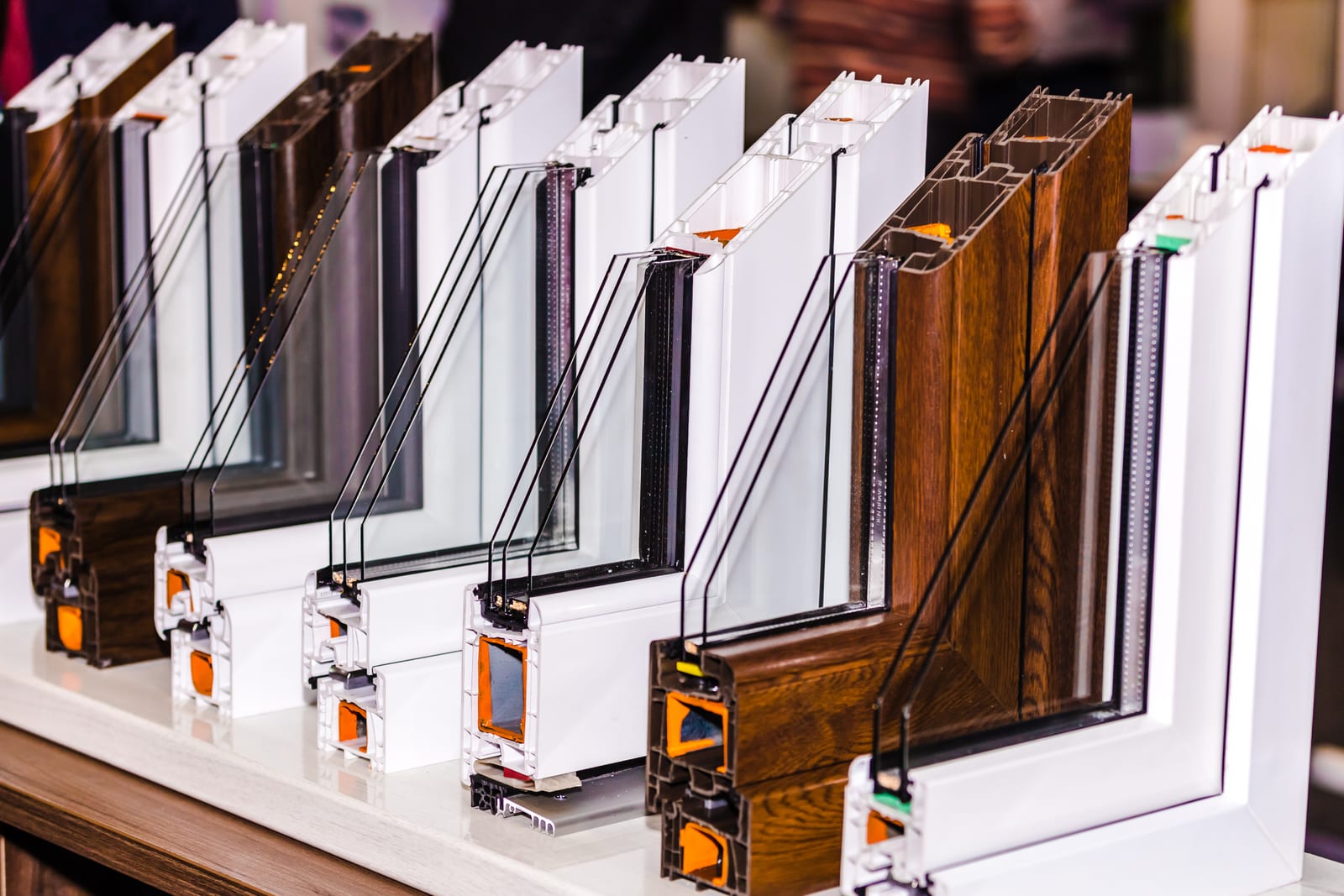
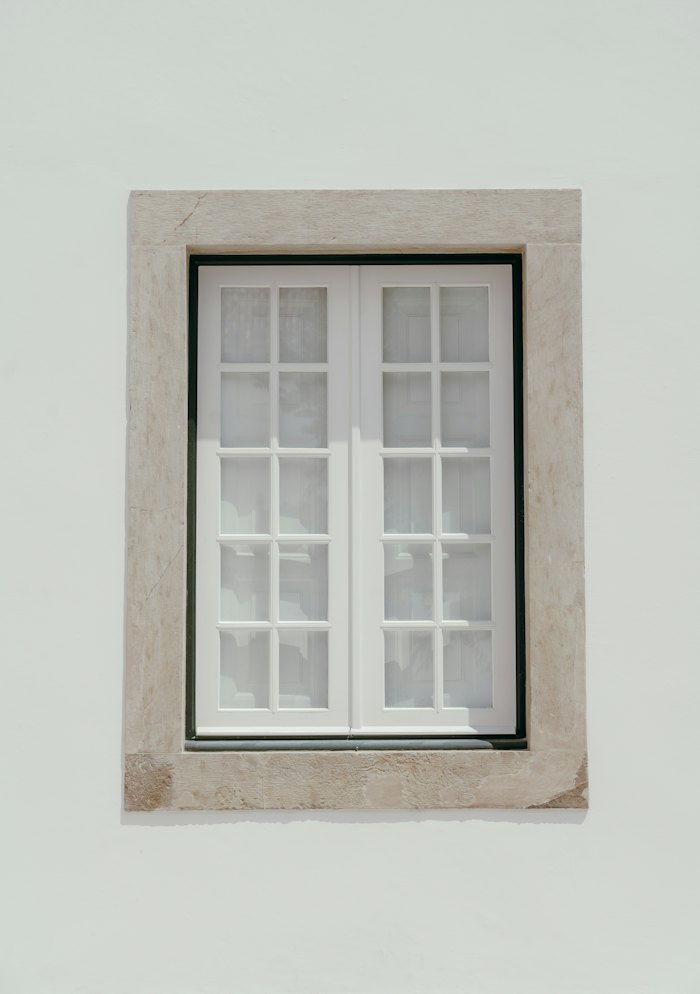
PVC frames in white or a limited color range. Cannot be painted after installation. Wider sightlines than fiberglass or Fibrex® Material. The most common replacement window material: excellent value for most homes.
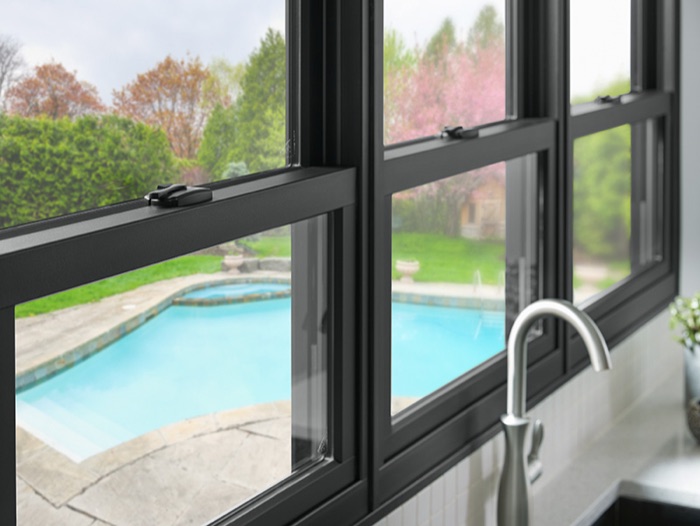
Fibrex® Material is Andersen Corporation’s proprietary composite, made from reclaimed wood fiber and thermoplastic polymer, combining wood’s strength with vinyl’s low-maintenance benefits. It is durable and energy-efficient, resisting rot and temperature-related expansion while providing strong insulation performance.
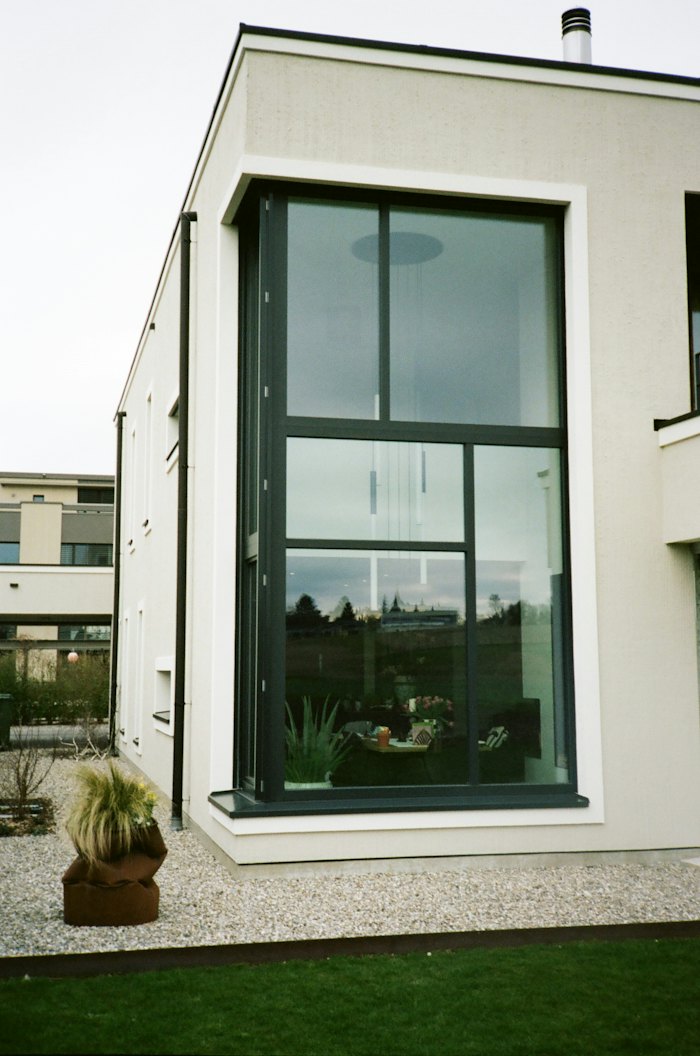
Glass fiber strands in a resin matrix. Dimensionally stable in extreme temperatures. Can be painted any color. Slim, strong profiles. Superior in cold climates; less widely available than vinyl but excellent long-term performance.
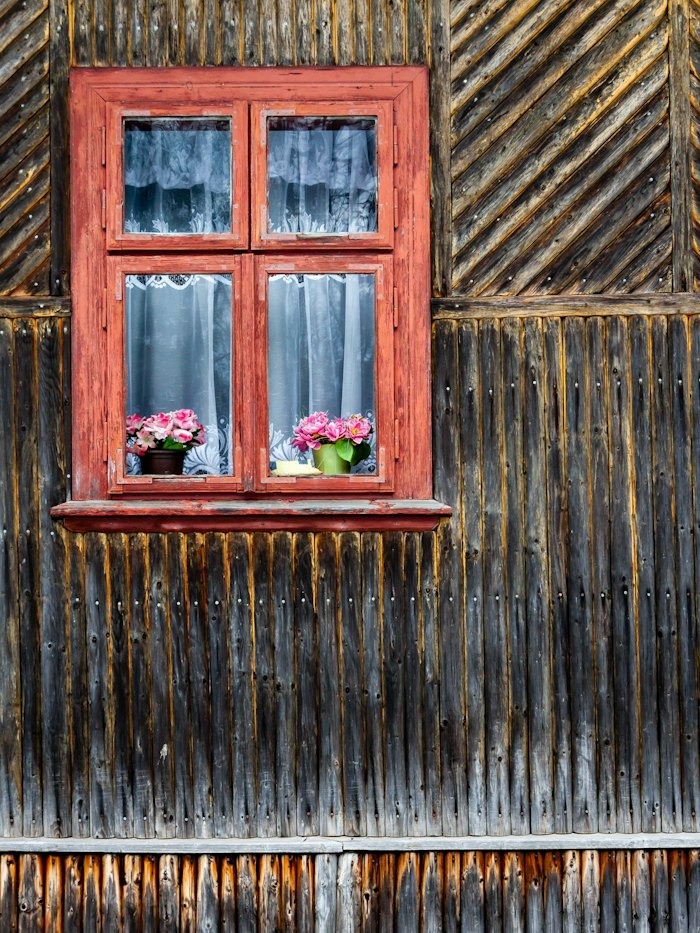
Can be constructed with pine, fir, or hardwoods. More energy efficient than aluminum, and can last longer than vinyl if maintained correctly. Must be painted every 5–10 years, depending on your climate, or the wood can rot, crack, or warp. Choose any paint color, or stain and seal. Strong choice for historic and traditional homes. Best for homeowners who plan to stay long-term and can commit to maintenance.
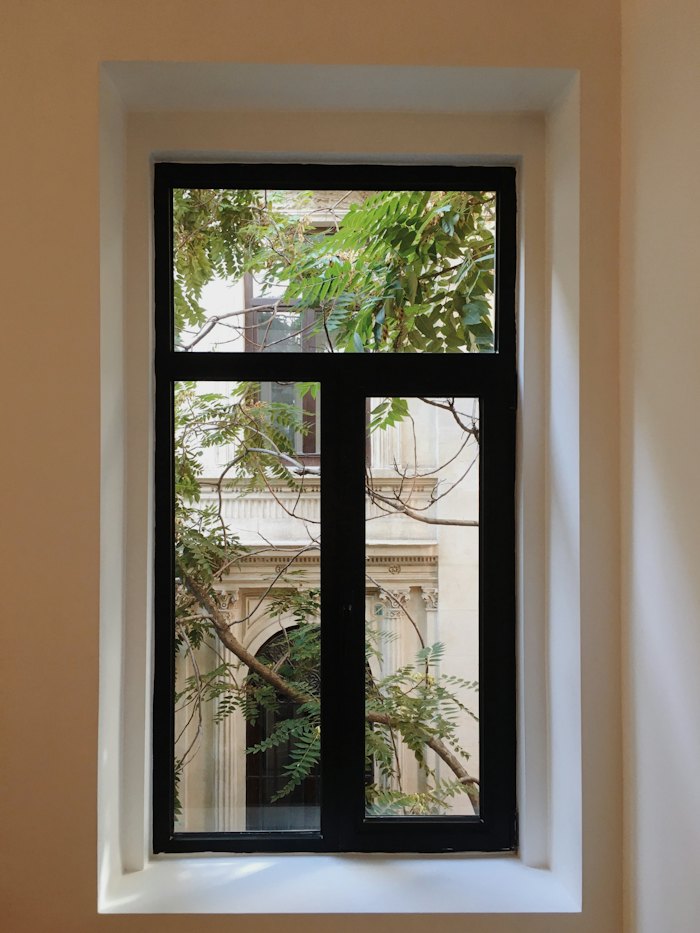
Available in a variety of styles and finishes. Aluminum is light and strong, so the frames are thinner than traditional wood, bringing in more natural light. Generally low maintenance, affordable, and long-lasting. Biggest drawback is poor energy efficiency; the heat transfer can cause condensation on the window. Also susceptible to corrosion. A good option for cost-conscious homeowners in warm, dry climates.
Style is a separate decision from frame material. It’s about how the window operates and what shape opening it fits, not what it’s made of.
Double-hung: Two sashes that both slide vertically, the classic American window. Both panes tilt in for easy cleaning from inside. The most common and versatile style, and works with nearly any architectural style.
Single-hung: Looks similar to double-hung, but only the bottom sash moves while the top stays fixed. Slightly less expensive than double-hung.
Casement: Hinged on one side and cranks open outward like a door, sealing tightly against the frame when closed, one of the best air-leakage ratings of any operable style. Useful for hard-to-reach spots like over a kitchen sink since the crank does the work.
Awning: Hinged at the top and opens outward from the bottom, so it can stay open during light rain. Common above or below fixed windows, or in basements.
Bay / bow: Multiple windows joined at angles (bay is three panels; bow is four or more forming a gentle curve) that project outward from the wall, adding floor space and a wider view. A design statement window, usually in a living room or dining nook.
Sliding: Sashes slide horizontally instead of vertically. Fewer moving parts than double-hung, and works well for wide, low openings.
Picture / fixed: Doesn’t open at all. Pure glass for maximum light and view, often paired with operable windows on either side for ventilation. The most energy-efficient style since there’s no seal to leak, but provides zero airflow on its own.
Specialty shapes: Custom arched, circular, trapezoidal, or angled units built to a specific non-rectangular opening, common over doors or in gable ends.

Remy is an AI assistant. By using Remy, you agree to our Terms and Privacy Policy. Chats may be recorded or monitored.
Answer a few questions and we will match you with contractors ranked by feedback from real homeowners.
Find My Matches →