Architectural asphalt shingles are the right choice for most homes: best balance of cost, lifespan, and ROI. In hail zones, Class 4 impact-resistant shingles cut insurance premiums 10–30%. Metal roofing pays off if you plan to stay 30+ years.
| Material | Cost/sqft installed* | Lifespan | Best for |
|---|---|---|---|
| 3-tab asphalt shingles | $4–6 | 20–25 yr | Tight budgets; mild climates |
| Architectural / dimensional | $5–9 | 30–50 yr | Most homes: best all-around value |
| Metal standing seam | $12–20 | 40–70 yr | Long-term ownership; hail zones; snow country |
| Clay / concrete tile | $18–35 | 50 yr+ | Southwest, Mediterranean, FL: needs engineering |
| Cedar shake | $9–15 | 25–30 yr | Pacific Northwest, rustic aesthetic |
*All cost estimates on this page are planning estimates, not quotes. Actual costs vary by location, project scope, materials, site conditions, and contractor. See methodology and sources.
Roofing materials vary dramatically in profile, texture, and visual weight. Here is what each type looks like up close.
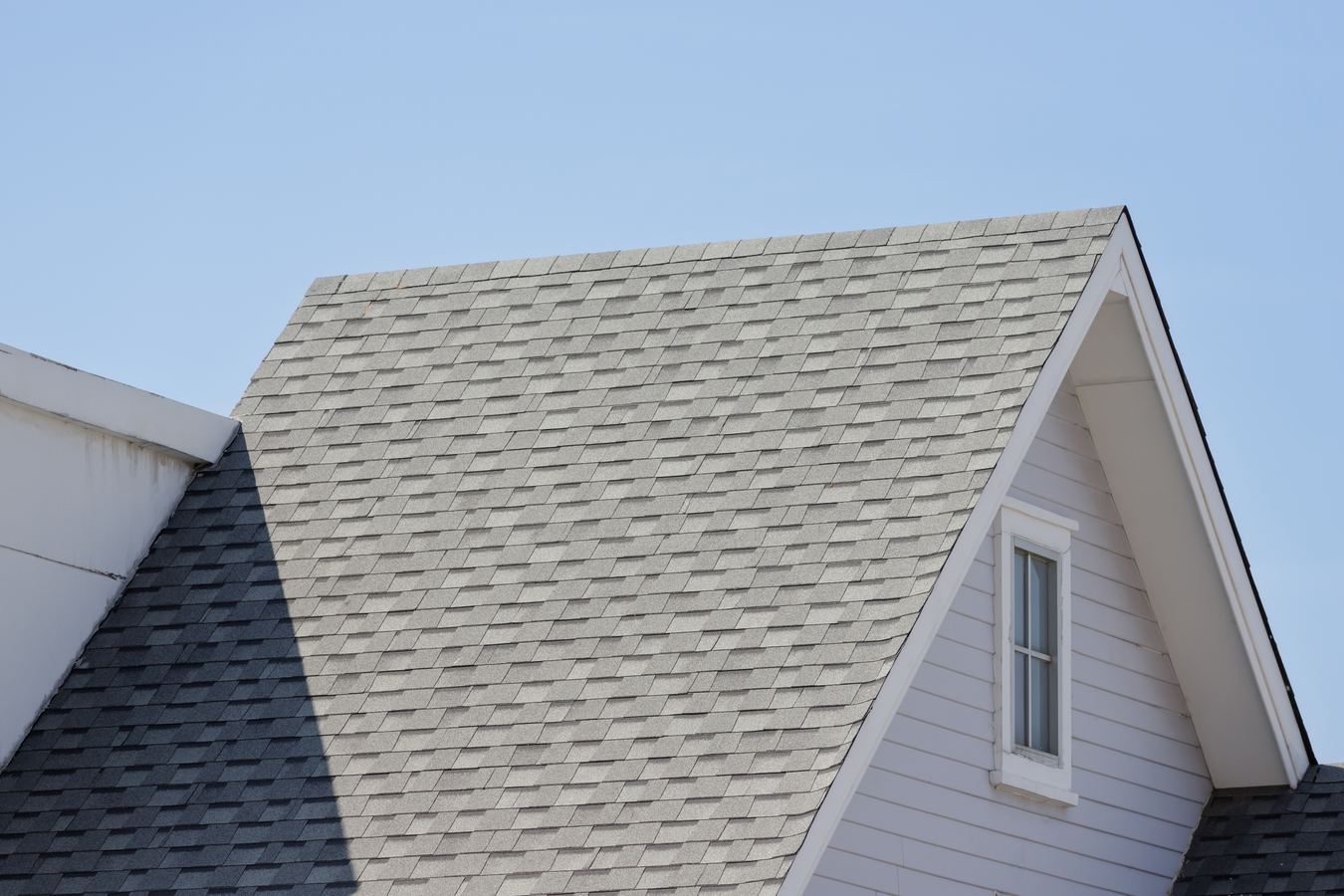
Two layers of fiberglass mat in asphalt coated with granules. Dimensional profile mimics wood shake. The standard for most homes: installs quickly, widely available, and easy to repair. Available in dozens of colors.
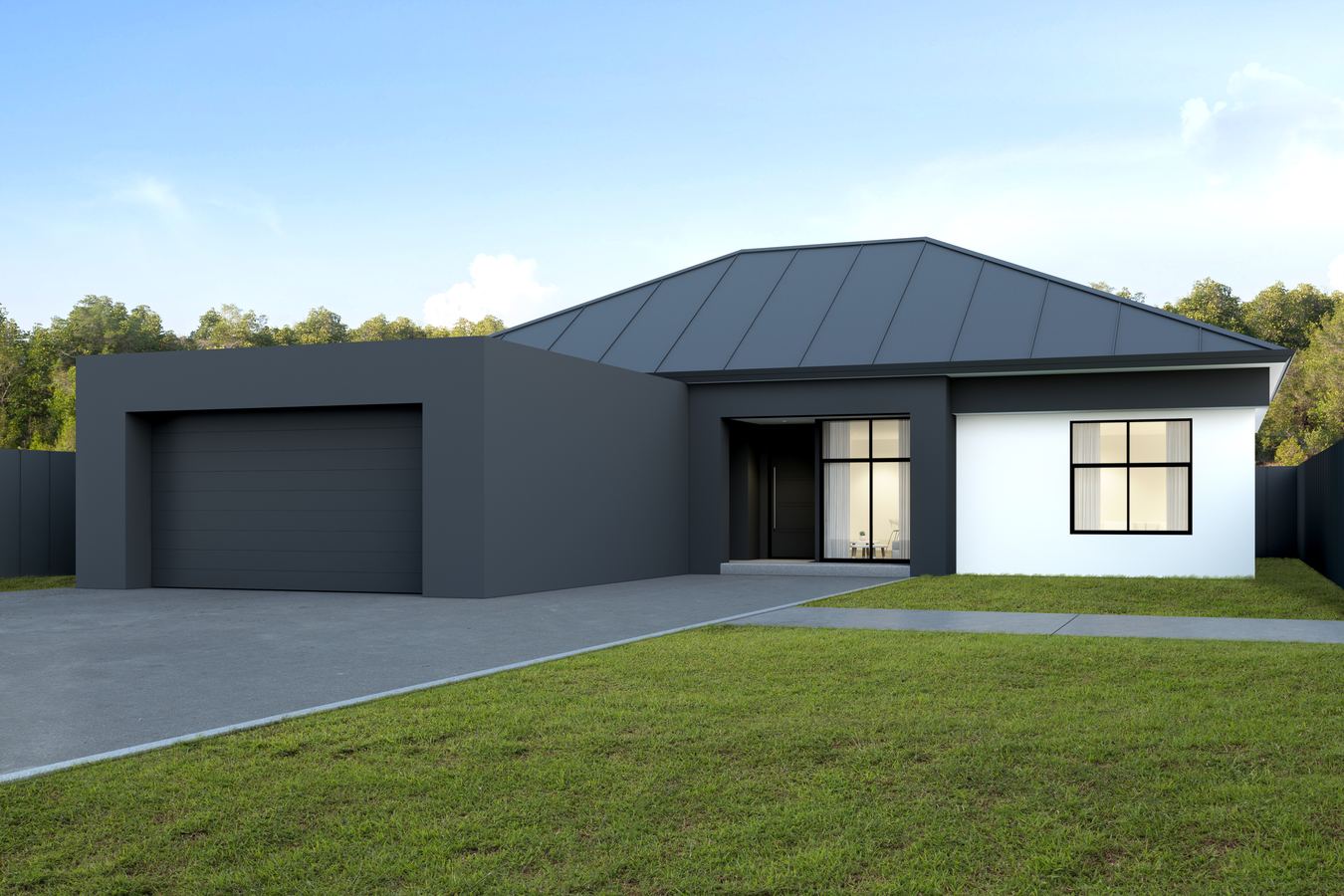
Steel or aluminum panels with raised interlocking seams and no exposed fasteners. Slim, modern profile. Reflects solar heat. Exceptional in snow country and hail zones. Lifespan 40–70 years with virtually no maintenance.
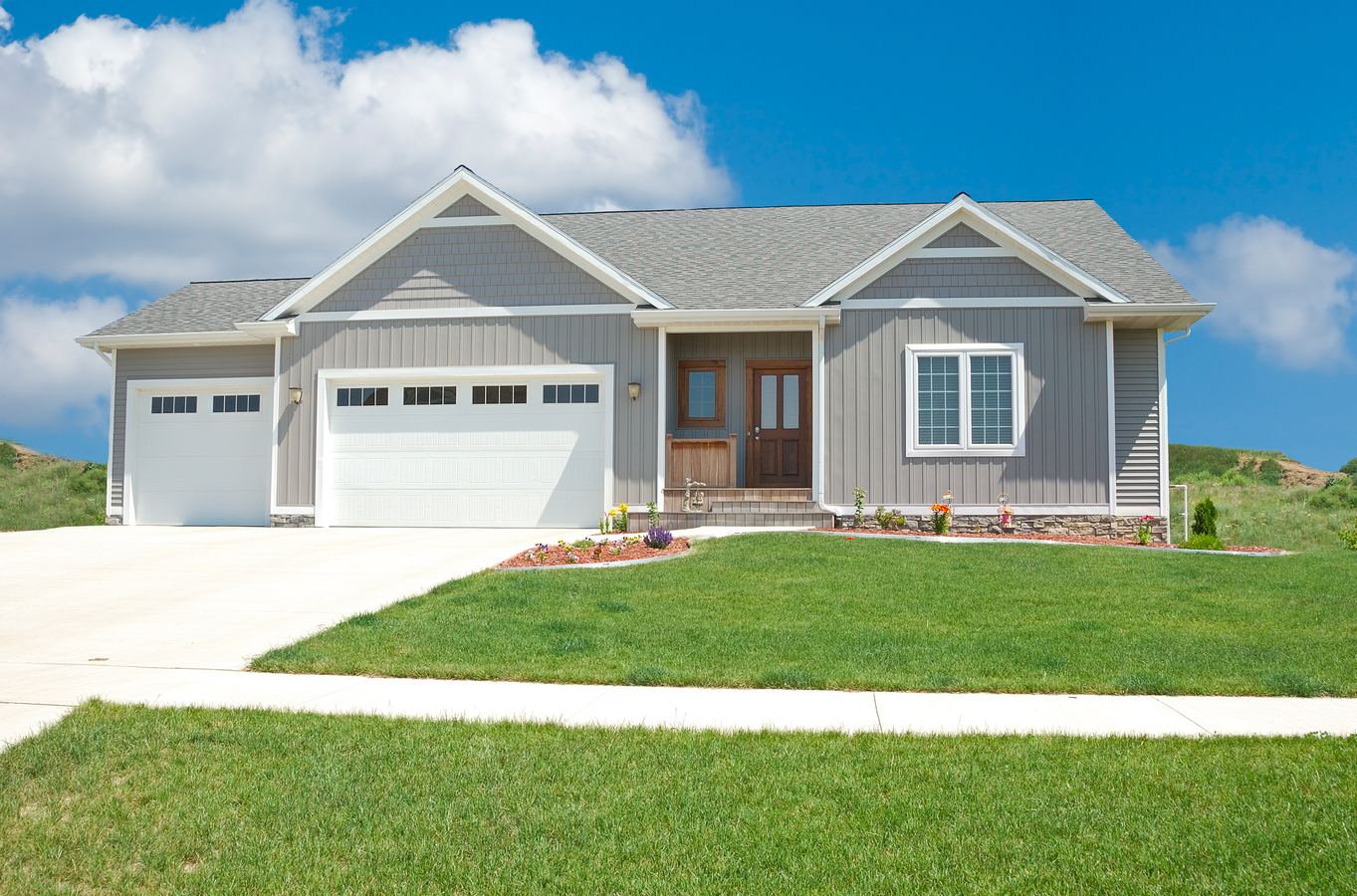
Single-layer shingles with cutouts creating a flat, uniform look. Thinner and lighter than architectural shingles. Less expensive but shorter lifespan (20–25 years) and less wind resistance. Largely replaced by architectural on new projects.
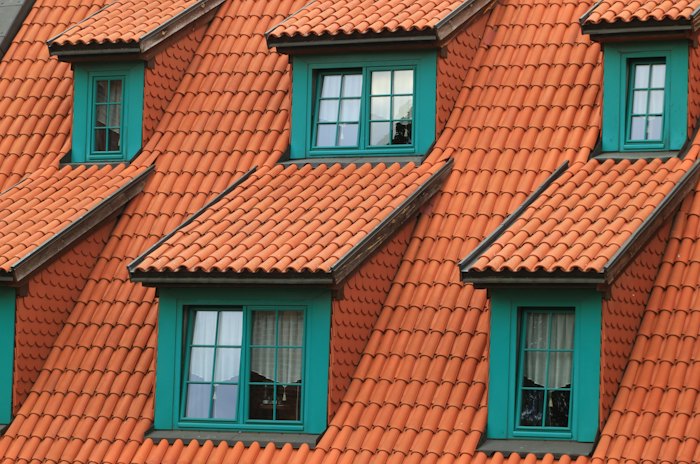
More durable than architectural asphalt shingles if maintained properly, energy efficient in hot climates, and a distinct look. The biggest caution is weight: tile is 3–5× heavier than architectural asphalt. Many homes built for asphalt are not structurally rated for tile without costly reinforcement ($5,000–$20,000+). Best for homes in hot climates already built to take it.
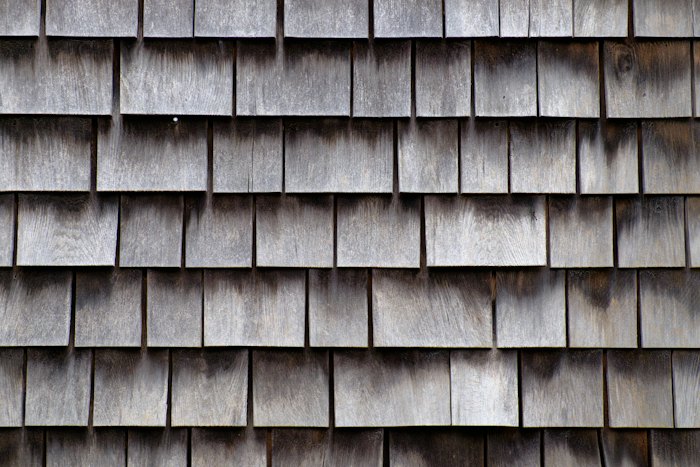
Visually appealing, eco-conscious, and more energy efficient than asphalt. With premium materials and maintenance, cedar roofs last a long time. The tradeoff is higher cost, more maintenance, and less fire resistance without special treatment. Color changes as it weathers, and grades vary — premium grades are the ones rated for longevity.
Shape is a structural and architectural decision, usually set when the home was built, but it affects material choice, cost, and maintenance, so it’s worth understanding.
Gable: Two sloped sides meeting at a ridge, forming a triangle at each end. The most common U.S. roof shape, simple and cost-effective to build and repair.
Hip: All four sides slope down to the walls with no vertical ends. More wind-resistant than gable and common in hurricane-prone regions, though it costs more due to the added framing complexity.
Gambrel: Two slopes on each side (a shallow upper slope and a steeper lower slope), the classic barn shape, which maximizes usable attic space.
Mansard: Four-sided with a double slope on all sides and a nearly vertical lower slope. A French-influenced style that adds usable attic living space, common on older urban homes.
Dormer: Not a whole-roof shape but a projecting structure with its own small roof, built into a sloped roof to add headroom and window light to an upper floor.

Remy is an AI assistant. By using Remy, you agree to our Terms and Privacy Policy. Chats may be recorded or monitored.
Answer a few questions and we will match you with contractors ranked by feedback from real homeowners.
Find My Matches →