Fiberglass is the best all-around entry door material for most homeowners. It won’t rot, warp, or rust like wood, and resists dents better than steel, all while mimicking a wood grain look. Steel is the budget-friendly choice; wood is the premium, highest-maintenance option. For patio doors, sliding units cost less and fit tighter spaces, while French doors offer a wider opening but need swing clearance.
©2025 Zonda Media, a Delaware corporation. Complete data from the Remodeling 2025 Cost vs. Value Report can be downloaded free at www.costvsvalue.com.
*All cost estimates on this page are planning estimates, not quotes. Actual costs vary by location, project scope, materials, site conditions, and contractor. See methodology and sources.
| Material | Cost installed* | Durability | Insulation | Maintenance | Best for |
|---|---|---|---|---|---|
| Fiberglass | $1,500–4,000 | Won’t rot, warp, or rust; resists dents better than steel | Foam-filled core, better than steel | Minimal: occasional repaint | Most homeowners: durability + wood-look curb appeal |
| Steel | $1,200–2,500 | Dents more easily than fiberglass; can rust at edges if the finish is compromised | Foam-filled core, good | Touch-up paint as needed | Budget-conscious, security-focused buyers |
| Wood | $2,500–6,000+ | Richest look and most repair/refinish-friendly, but warps or rots without upkeep | Lower unless well-sealed | Refinish every few years | Architectural character, historic homes |
| Sliding patio (glass) | $1,500–3,500 | Depends on frame material: vinyl, aluminum, or wood-clad | Low-E insulated glass standard on quality installs | Track cleaning, roller/seal checks | Decks and smaller patios: no swing clearance needed |
| French patio (glass) | $2,500–6,000+ | Same frame-material tradeoffs as sliders, plus hinge wear over time | Insulated, tempered glass packages available | Hinge and weatherstrip checks | Wider unobstructed openings, traditional look |
Material affects how the door looks, how it holds up to weather and impact, and how much upkeep it needs over the years you own it.
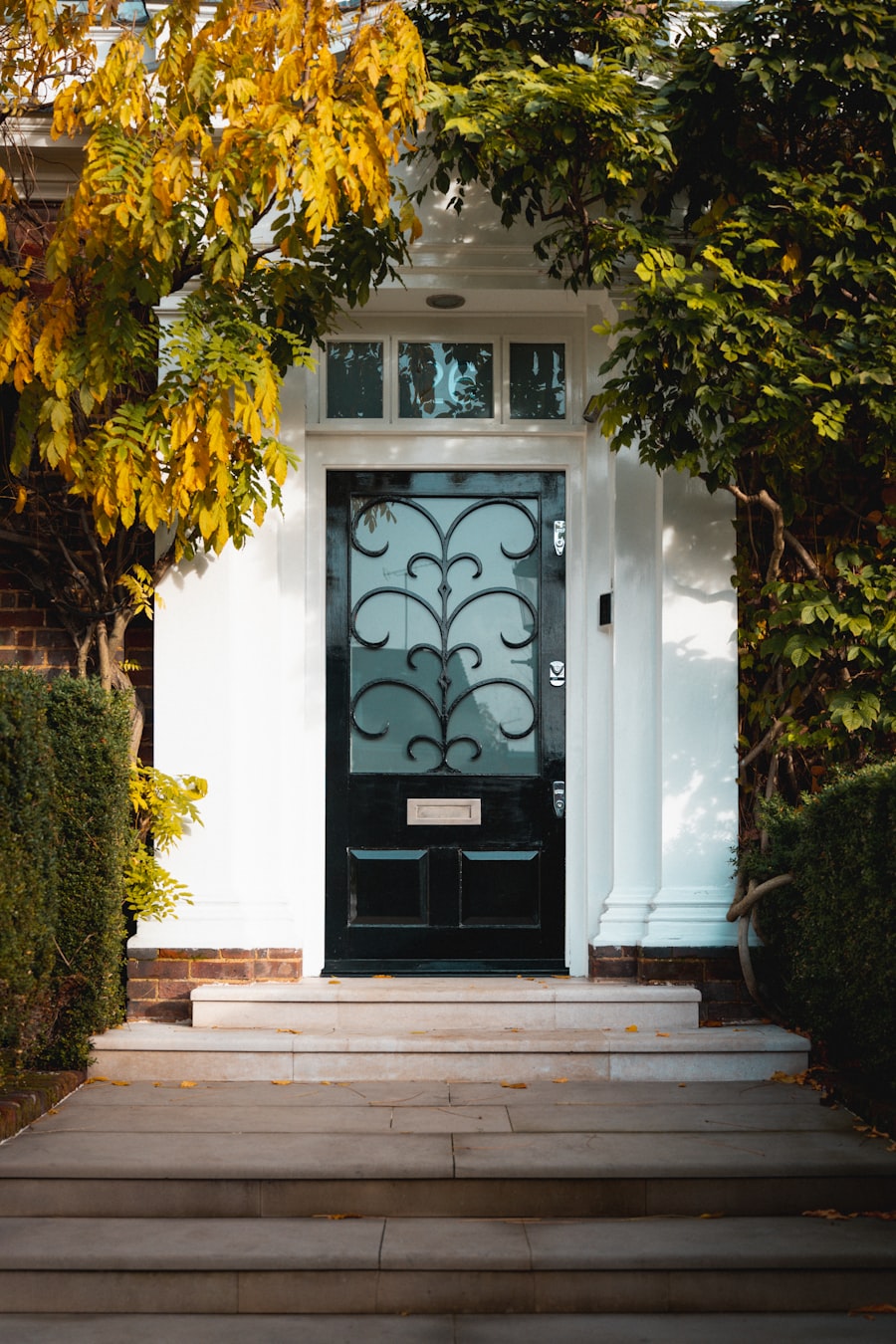
A wood-grain look with better insulation and dent resistance than steel, and it will not rot, warp, or rust. Minimal upkeep beyond occasional cleaning. The most popular mid-tier choice for homeowners who want durability and curb appeal without custom-wood cost.
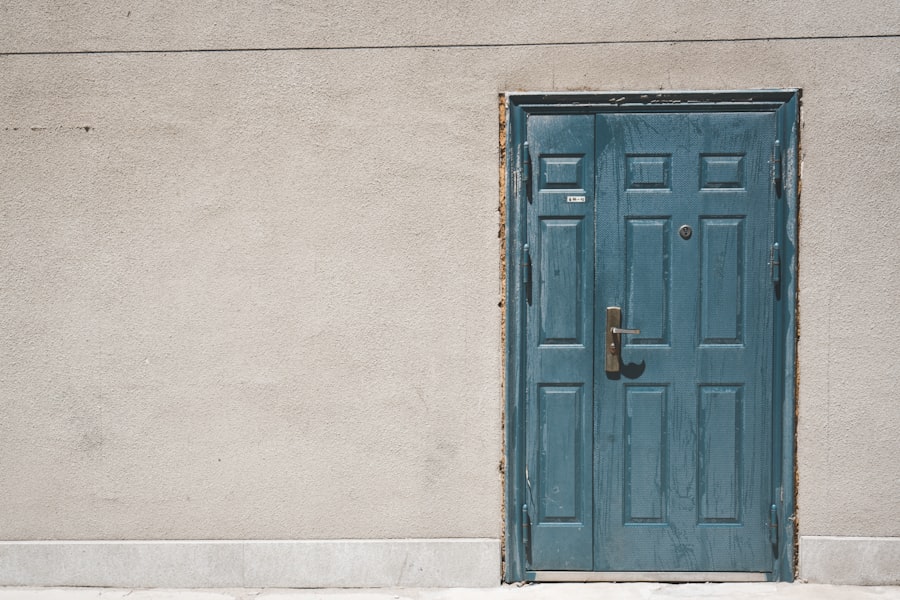
The most affordable code-compliant option, structurally strong with a foam-filled core for good insulation. Dents more easily than fiberglass and can rust at the edges once the finish is compromised. Touch-up paint as needed.
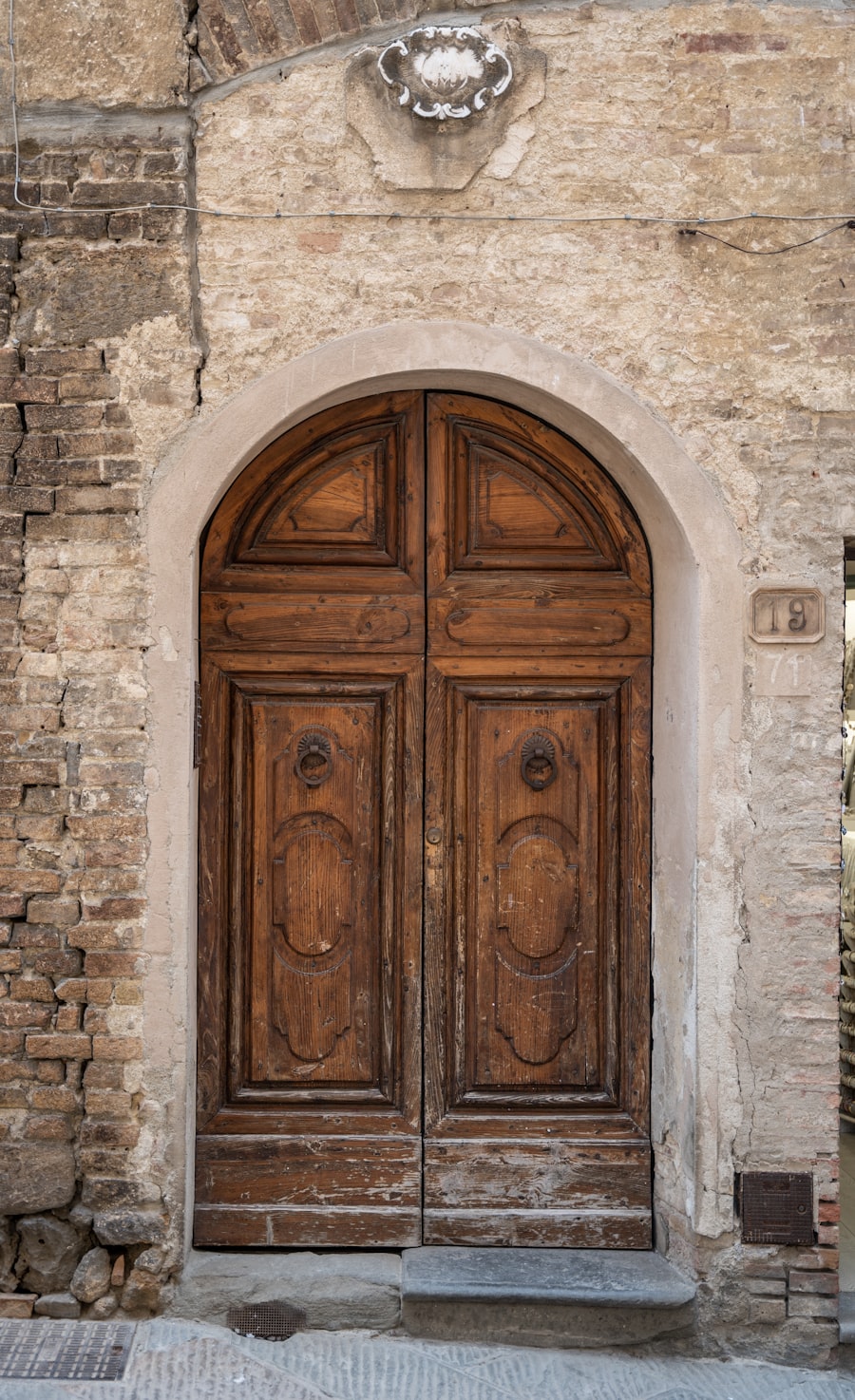
The richest look and the most repairable: it can be stained or painted to match any exterior. Insulation is lower unless it is well sealed, and it needs refinishing every few years to prevent warping and moisture damage. Best where architectural character matters more than low maintenance.
Steel is the most affordable code-compliant option and holds up well structurally, but its finish can dent from impact and rust at the edges once that finish is compromised. Fiberglass costs more but combines a wood-grain look with far better dent resistance, and it won’t rot, warp, or rust, which is why it has become the most popular mid-tier choice.
Solid wood delivers the richest look and can be stained or painted to match any exterior: the real selling point. But direct sun and moisture exposure will eventually cause warping or checking (small surface cracks) if the finish isn’t maintained. Budget for refinishing every few years, especially on south- or west-facing entries, and ask your installer about UV-protective clear coats before you buy.
A sliding door swaps into an existing opening without needing swinging clearance, making it the standard choice for decks and smaller patios. Installation typically takes 4–6 hours for a like-for-like size. A French door swings open in two hinged panels for a wider unobstructed opening, but needs interior and exterior clearance to swing; installation runs 5–8 hours including framing adjustments. Treat the frame material and glass package the same way you would windows. Thermal performance matters given how much glass is involved.
Type is a separate decision from material. It is about how the door opens and what opening it fits, not what it is made of.
Entry (front) door: A single hinged door in an existing frame, and the most common replacement. A like-for-like swap typically takes 3–5 hours; longer if the frame or sidelights need rebuilding. Material is the main decision here.
Sliding patio door: Swaps into an existing opening without needing clearance to swing, which makes it the standard choice for decks and smaller patios. Installation typically runs 4–6 hours for a like-for-like size. Judge the frame material and glass package the way you would a window: there is a lot of glass, so thermal performance matters.
French patio door: Two hinged panels that swing open, giving a wider unobstructed opening than a slider but needing room to swing. Installation runs 5–8 hours including framing adjustments. Insulated, tempered glass adds cost and improves both safety and energy performance.
Frame-only replacement: When the door itself is sound but the frame has rotted or shifted, a frame-only repair costs a fraction of a full replacement and is typically a 2–4 hour job. Worth asking about specifically if only the frame shows damage.

Remy is an AI assistant. By using Remy, you agree to our Terms and Privacy Policy. Chats may be recorded or monitored.
Answer a few questions and we will match you with contractors ranked by feedback from real homeowners.
Find My Matches →