Fiber cement (James Hardie) is the best all-around siding for most homes: longest lifespan, best fire resistance, highest ROI. LP SmartSide edges it out in impact resistance. Vinyl is the budget choice; metal is the premium long-game.
| Material | Cost/sqft installed* | Lifespan | Maintenance | Fire rating | Best for |
|---|---|---|---|---|---|
| Fiber cement (James Hardie) | $10–18 | 50 yr | Paint every 15–25yr | Noncombustible | Most homes: best overall |
| Engineered wood (LP SmartSide) | $8–14 | 50 yr (warranty) | Paint every 8–12yr | Class A | Impact resistance, colder climates |
| Vinyl | $5–9 | 20–40 yr | None (never paint) | Class B–C | Budget-conscious, low-maintenance |
| Metal (steel/aluminum) | $14–22 | 40–60 yr | Occasional touch-up | Class A | Modern aesthetic, wildfire zones |
| Stucco | $8–15 | 50–80 yr | Crack repair every 5–10yr | Class A | Southwest, Mediterranean style |
*All cost estimates on this page are planning estimates, not quotes. Actual costs vary by location, project scope, materials, site conditions, and contractor. See methodology and sources.
These materials look and feel significantly different in person. Here is what sets each option apart at a glance.
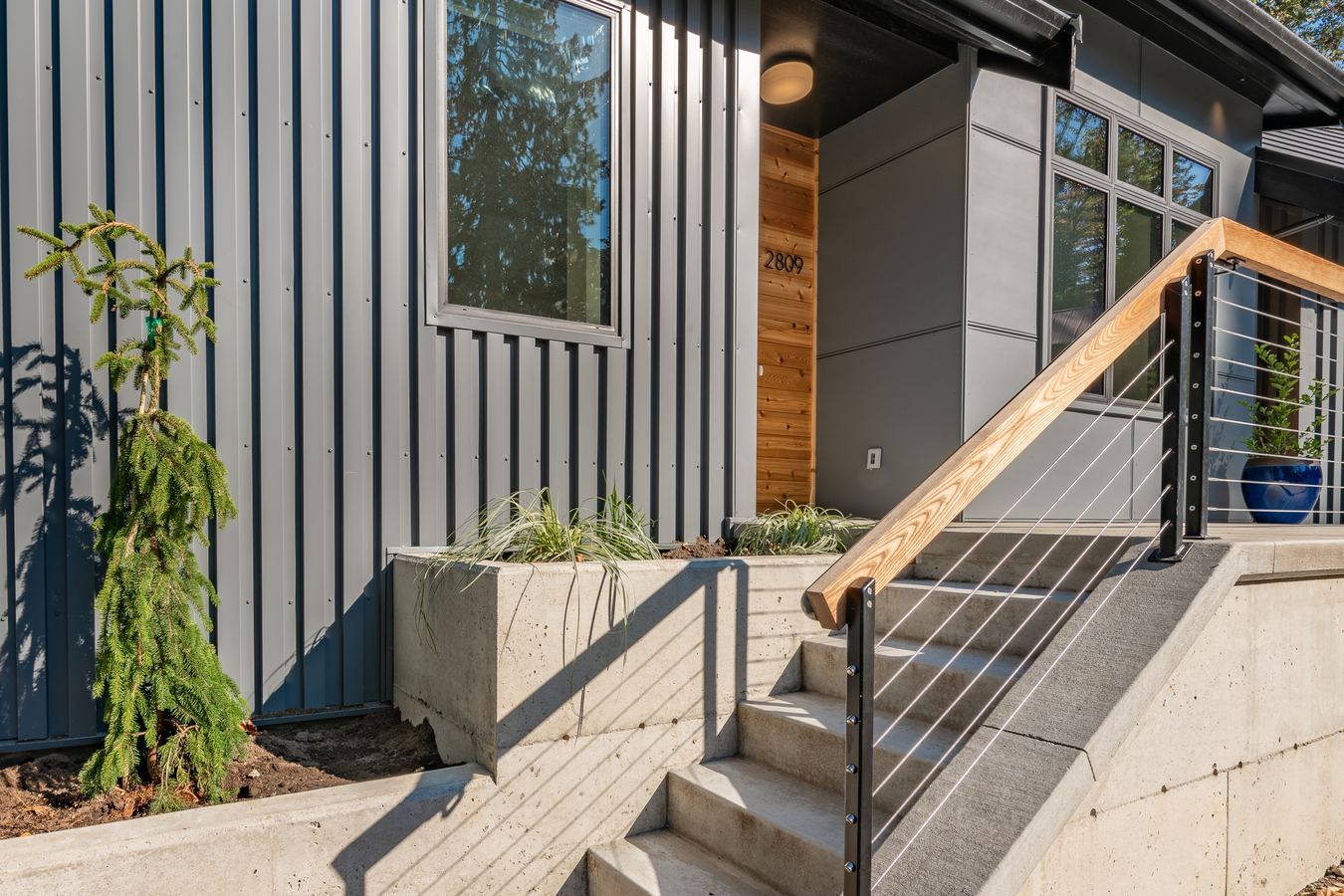
Portland cement bonded with sand and cellulose fibers. Dense, non-combustible, heavy. Installed in planks or panels. Requires professional installation and repainting every 15–25 years.
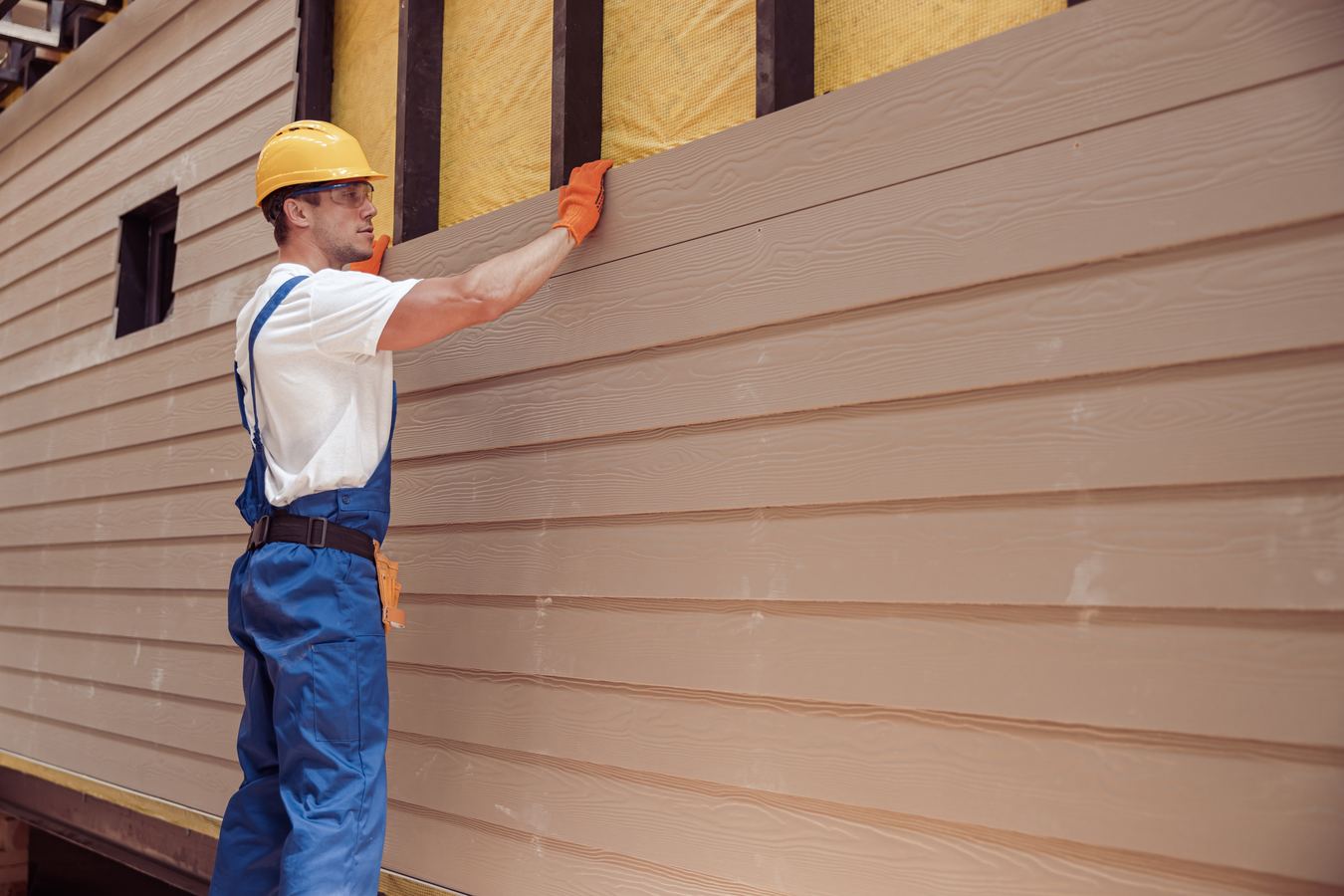
Wood strands bonded with resin and zinc borate preservative. Lighter than fiber cement, with a realistic wood grain texture. More impact-resistant in cold climates; repaint every 8–12 years.
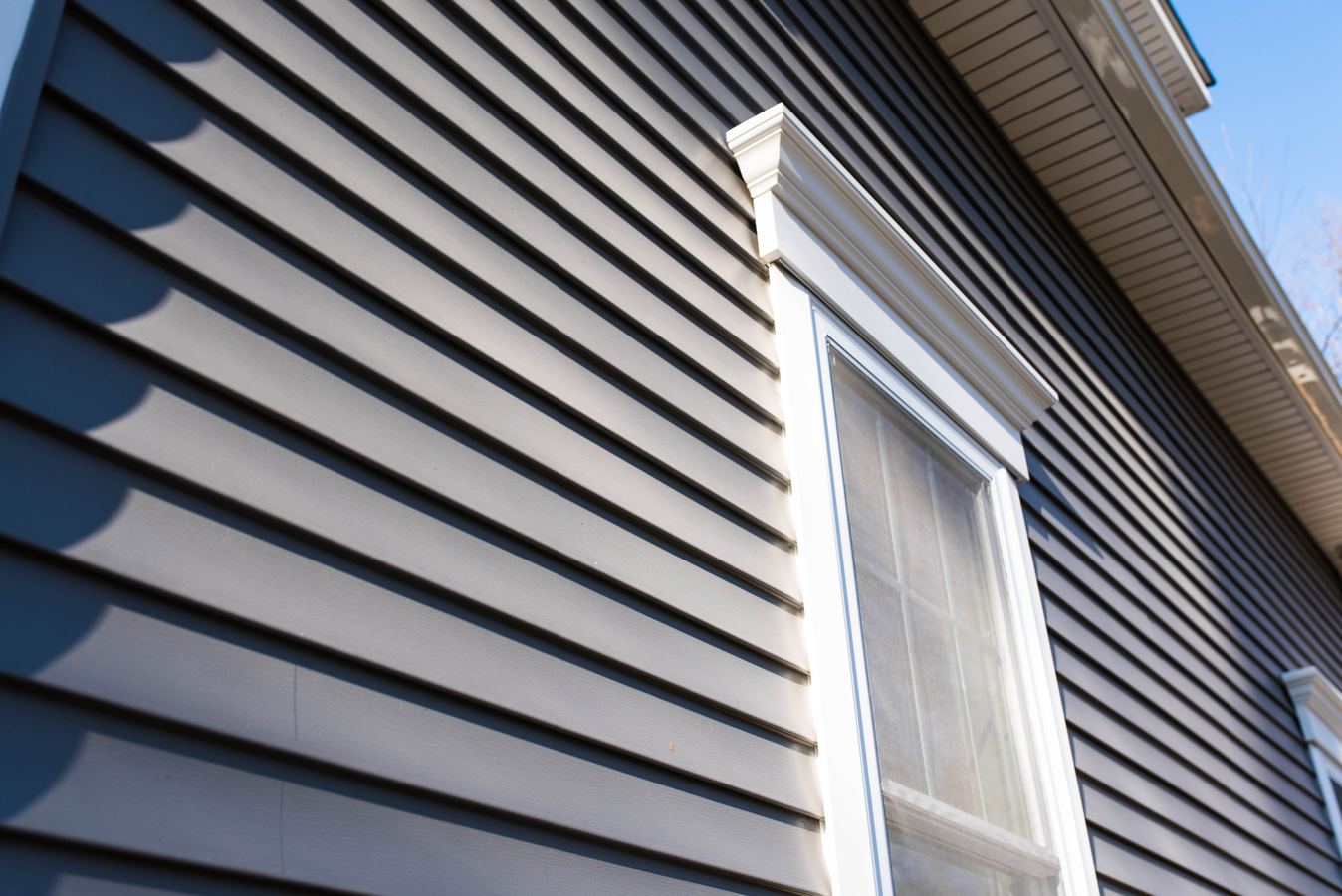
Extruded PVC panels with color throughout the material: no repainting needed. Lightweight, easy to install, available in dozens of profiles. Insulated foam-backed versions add significant R-value.
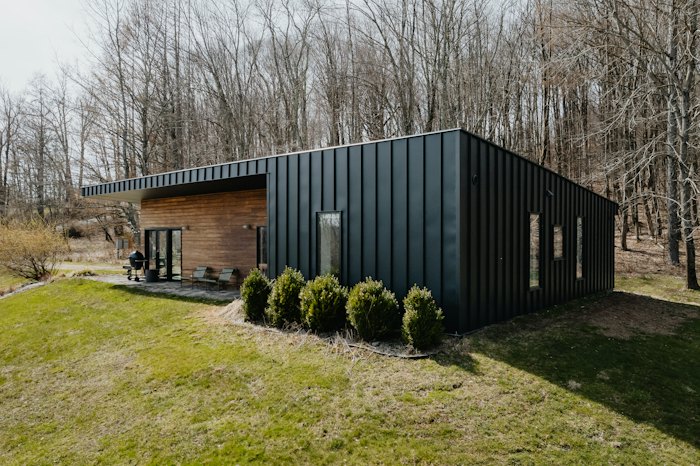
Fire resistant, insect proof, and it will not rot. Steel is the tougher of the two and resists denting better than aluminum; aluminum is lighter and will not rust, which matters near the coast. Both hold color finishes well and need little upkeep. The tradeoffs are cost and the fact that dents, once made, do not come out.
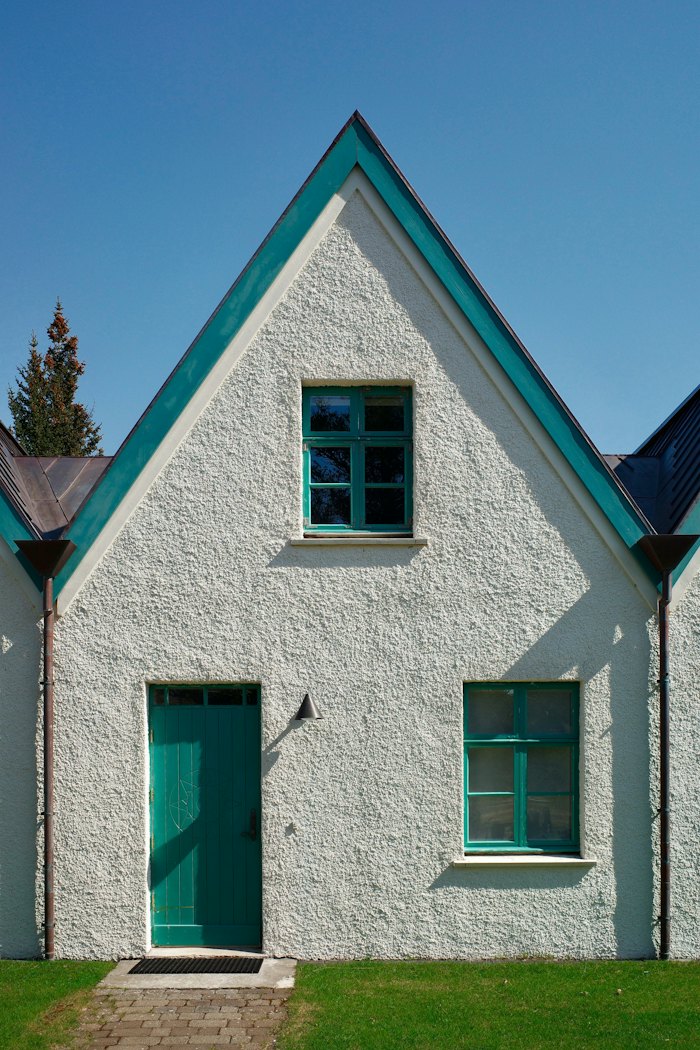
Cement, water and sand, with strong fire resistance and a distinctive earthy look. Insulation capacity is limited, so it is a poor choice for cold climates. Stucco cracks over time and the cracks have to be repaired on a schedule — but if it is well maintained it can outlast even metal siding.
Profile is a separate choice from material. It’s the shape and orientation of the panels themselves, and most of these profiles are available across several materials above.
Clapboard / lap: Traditional horizontal overlapping boards. The most common look on American homes, available in nearly every material listed above.
Board & batten (vertical panel): Wide vertical boards with narrow strips (battens) covering the seams, a modern farmhouse look that’s become increasingly popular on new builds.
Shake / shingle: Individual overlapping shingles, uniform or staggered, giving a textured cottage or craftsman look. Traditionally cedar, now widely available in engineered wood and vinyl.
Dutch lap: A variation on clapboard with a decorative groove near the top of each board, casting a shadow line, a slightly dressier take on standard lap siding.
Vertical panel / board-form: Wide flat panels with minimal seams, common on modern and industrial-style homes.

Remy is an AI assistant. By using Remy, you agree to our Terms and Privacy Policy. Chats may be recorded or monitored.
Answer a few questions and we will match you with contractors ranked by feedback from real homeowners.
Find My Matches →