Micro-mesh is the only gutter guard type consistently proven to work across all debris types including pine needles. Foam and brush guards trap debris inside themselves: a waste of money for most homeowners.
*All cost estimates on this page are planning estimates, not quotes. Actual costs vary by location, project scope, materials, site conditions, and contractor. See methodology and sources.
| Type | Cost/linear ft (installed)* | Handles pine needles? | Maintenance needed? | Verdict |
|---|---|---|---|---|
| Micro-mesh | $15–25 | Yes | Occasional rinsing | Best: worth the price |
| Surface tension / reverse curve | $8–20 | No | Occasional clearing | Good for large leaves only |
| Perforated screen / insert | $1–3 (DIY) | Partial | Annual cleaning | Decent budget option |
| Foam | $3–5 | No | Frequent: debris grows IN foam | Avoid: mold and clog risk |
| Brush | $4–6 | No | Frequent: debris caught in bristles | Avoid: same problem |
Each type works fundamentally differently. The mechanism determines whether debris gets blocked, sits on top, or gets trapped inside the guard itself.

Stainless steel mesh with openings fine enough to block pine needles and granules while letting water through. Sits over the gutter opening. Never traps debris inside. The only type proven effective against all debris sizes. Requires occasional rinsing.
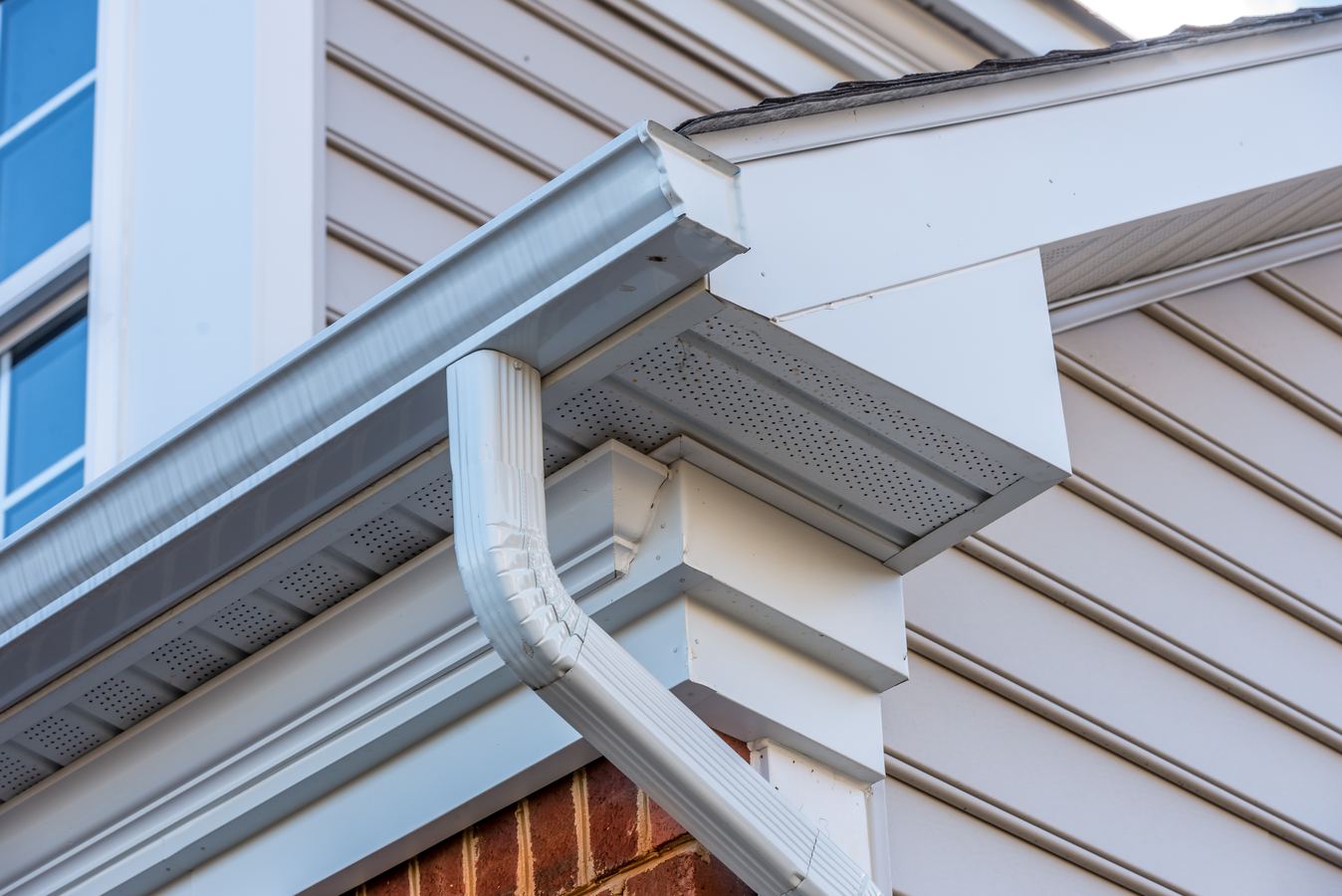
A curved cap causes water to wrap around and drop in while leaves blow off. Works well for large leaves only. Fails with pine needles and seeds, which follow the water curve into the gutter. Good only in areas with large deciduous trees.
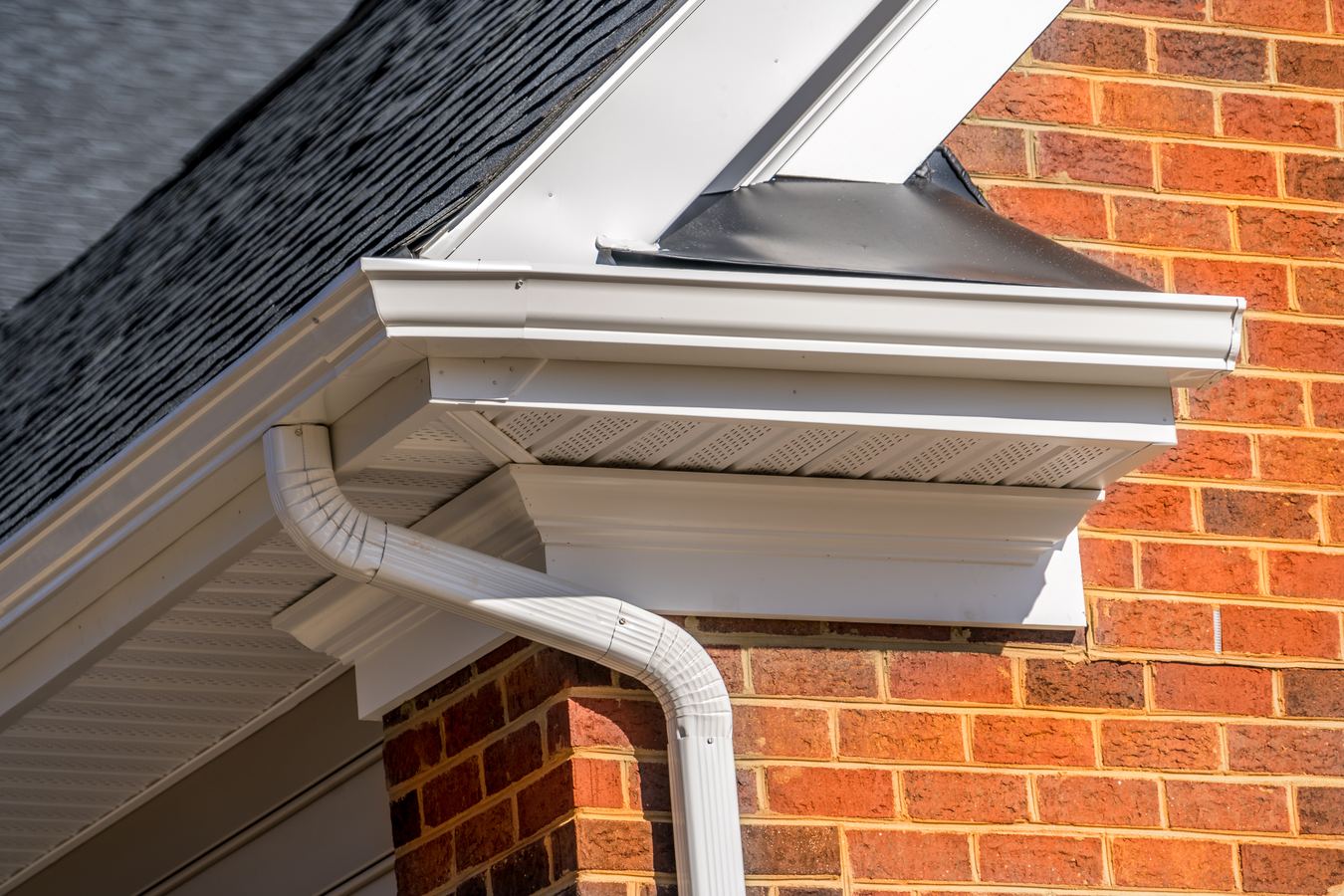
Foam inserts or bristle brushes that sit inside the gutter channel. Seeds, organic matter, and granules settle INTO the material and grow. You end up with gutters harder to clean than bare gutters. Widely sold but not recommended by professionals.
The fundamental problem: foam and brush guards trap debris inside themselves. Foam sits inside the gutter channel. Seeds, shingle granules, and organic matter settle into it, becoming a growing medium for moss, mold, and seedlings. Brush guards work exactly the same way. You end up with gutters harder to clean than bare gutters.
Standard residential gutters are 5-inch K-style. A 6-inch gutter has 40% more capacity, recommended for steep-pitch roofs (8:12+), heavy rainfall regions (Southeast, Pacific Northwest), large roof areas, or heavy tree coverage. 6-inch costs 20–30% more but rarely needs upgrading once installed.
Profile is a separate choice from the guard types above. It’s the shape of the gutter trough itself, independent of what material it’s made from or whether it has a guard installed.
K-style: The most common profile in the U.S., a flat back and a decorative front edge resembling crown molding. Holds more water per inch of height than half-round for the same size.
Half-round: A simple curved trough, the traditional profile on historic and higher-end homes, often paired with round downspouts and copper or aluminum for a classic look.
Box / fascia: A squared-off profile built into or replacing the fascia board itself rather than hanging below it. A clean, nearly invisible look often used on modern architecture.
Seamless vs. sectional: Seamless gutters are fabricated on-site in one continuous piece per side of the house; sectional gutters are assembled from pre-cut pieces joined with connectors. More affordable upfront, but more potential leak points over time.

Remy is an AI assistant. By using Remy, you agree to our Terms and Privacy Policy. Chats may be recorded or monitored.
Answer a few questions and we will match you with contractors ranked by feedback from real homeowners.
Find My Matches →