LVP wins for moisture resistance, cost, and versatility in most rooms. Hardwood wins on resale value and refinishability. Tile wins in wet areas. The right choice depends on your room, lifestyle, and timeline.
| Material | Cost/sqft installed* | Waterproof? | Lifespan | Refinishable? | Best rooms |
|---|---|---|---|---|---|
| LVP (Luxury Vinyl Plank) | $5–16 | Yes (100%) | 15–25 yr | No | Any room including bath & basement |
| Solid hardwood | $10–25 | No | 50–100 yr | Yes (5–7×) | Living rooms, bedrooms, dining rooms |
| Engineered hardwood | $6–24 | Splash-resistant | 25–30 yr | 1–3× (limited) | Kitchens, over radiant heat |
| Porcelain tile | $7–19 | Yes (100%) | 50 yr+ | No | Bathrooms, kitchens, entryways |
| Laminate | $5–16 | No (swells) | 10–20 yr | No | Bedrooms, low-traffic only |
*All cost estimates on this page are planning estimates, not quotes. Actual costs vary by location, project scope, materials, site conditions, and contractor. See methodology and sources. LVP and laminate share one price range, as do tile and stone.
These materials can look similar in photos. The differences become clear underfoot: in weight, warmth, and texture.
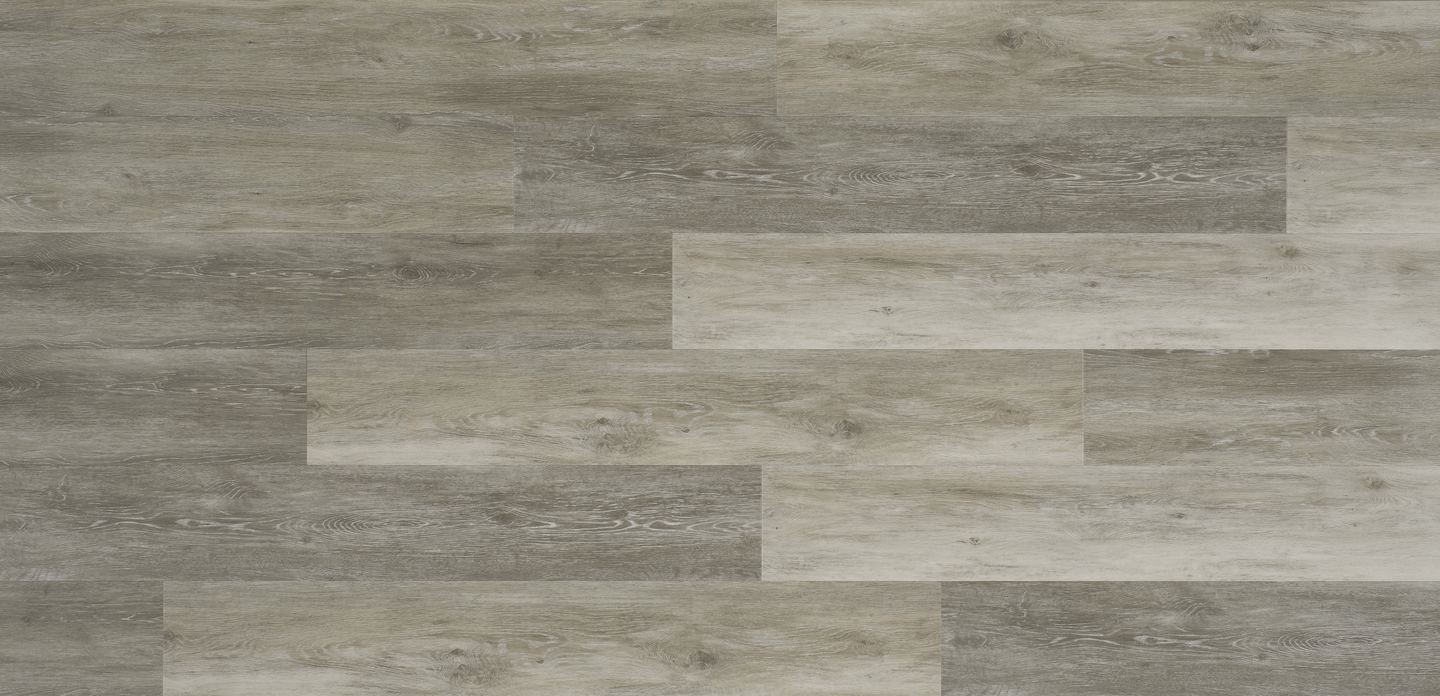
100% waterproof PVC planks with a photographic wood-look layer beneath a clear wear coating. Clicks together without glue. Warmer and softer underfoot than tile. Works in any room including basements and bathrooms.
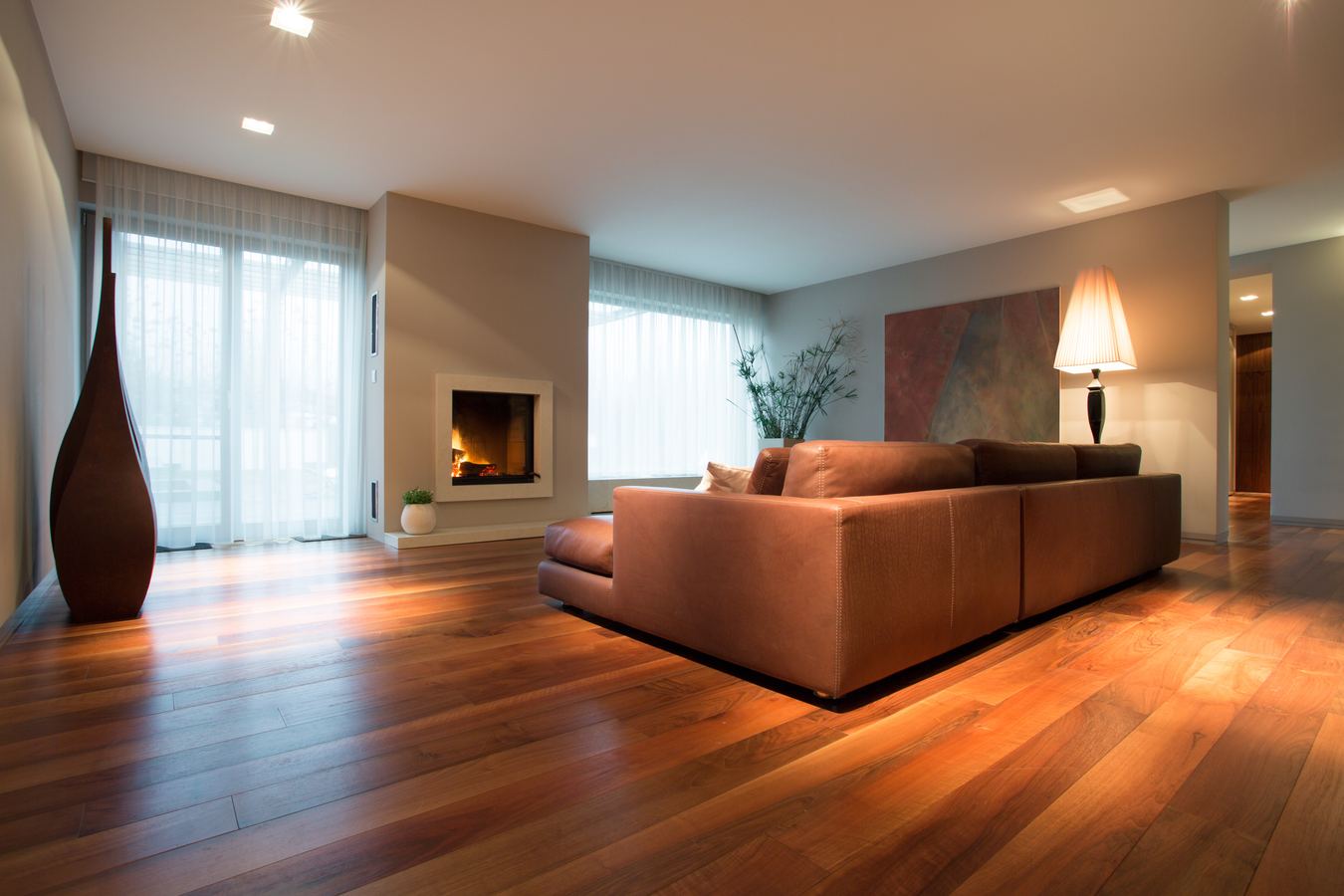
Milled from a single piece of wood: typically oak, maple, or hickory. Natural grain variation that LVP cannot replicate. Can be sanded and refinished 5–7 times over its life. Cannot go in basements or bathrooms.
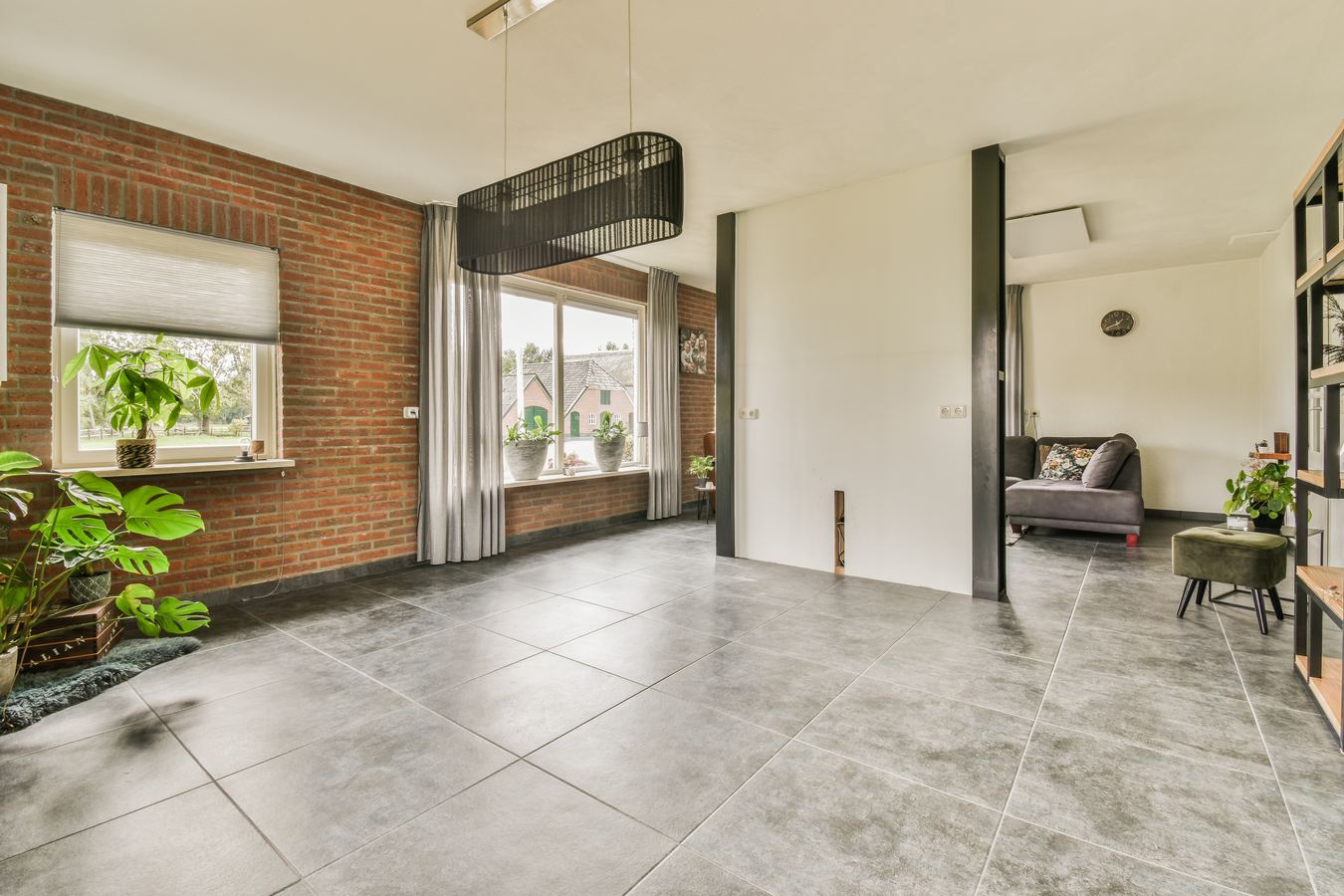
Fired ceramic with extremely low water absorption. The hardest, heaviest flooring option. Cool underfoot. Grout lines require sealing. Best for high-moisture rooms: bathrooms, kitchens, mudrooms, and entryways.
These are the flooring options we quote most often, with the installed price range for each. Material is the first decision; the layout pattern below is the second.
Hardwood ($10–$25/sq ft): Solid hardwood is nailed or glued directly to the subfloor; engineered hardwood floats or glues over a wider range of subfloor types, including some below-grade spaces solid can't handle.
LVP / LVT ($5–$16/sq ft): Luxury vinyl plank or tile clicks together over most existing subfloors, including concrete and old vinyl, without the moisture restrictions hardwood has.
Tile ($7–$19/sq ft): Ceramic, porcelain, or natural stone tile set in mortar or adhesive, typically 2–4 days per room including grout cure time before the floor sees regular use.
Carpet ($3–$7/sq ft): New carpet and pad installed over the existing subfloor, usually a single day for most rooms since there's no cure time involved.
Hardwood refinishing ($3–$6/sq ft): Sanding down and re-staining or re-sealing existing hardwood rather than replacing it: a 2–4 day job including dry time, and the floor can't be walked on normally until the finish cures.
Laminate ($5–$16/sq ft): A photographic wear layer over a composite core, clicking together over an underlayment much like LVP: most rooms finish in 1–2 days.
Beyond material, how flooring is laid changes both the look and the cost. Pattern affects material waste and labor time more than most homeowners expect.
Straight / plank: Boards run parallel to the longest wall. The standard, lowest-waste, most common layout for hardwood, LVP, and laminate.
Diagonal: Boards run at a 45° angle to the walls. Makes small rooms feel larger, but increases material waste and installation cost due to the added cuts.
Herringbone: Short planks laid in a repeating zigzag pattern. A higher-end, more labor-intensive look that’s become popular with LVP since it installs more forgivingly than with solid hardwood.
Chevron: Similar to herringbone, but planks are cut at an angle so the pattern forms a continuous V rather than a stepped zigzag. The most labor-intensive and highest-cost pattern, and the most dramatic result.
Large-format tile: 12″×24″ or larger tiles with fewer grout lines, a popular modern choice that makes a room feel more seamless and is easier to keep clean.
Subway / running bond: Rectangular tiles laid in staggered offset rows like brickwork, a classic look most common in kitchens and bathrooms.

Remy is an AI assistant. By using Remy, you agree to our Terms and Privacy Policy. Chats may be recorded or monitored.
Answer a few questions and we will match you with contractors ranked by feedback from real homeowners.
Find My Matches →