BathWindowsRoofingFlooringGuttersSidingDoors

Bathroom Remodel Materials Guide (2026): Acrylic vs Tile, Shower vs Tub

Updated July 2026  ·  Reviewed by RemodelyourHome.com editorial team

The Bottom Line

Acrylic systems cost less and install faster. Tile looks best and lasts longest. Walk-in showers add more resale value than tub-shower combos in most markets. The right choice depends on your timeline, budget, and bathroom use.

80.0%
Midrange bath remodel ROI (2025 Cost vs. Value Report)
$10K–25K
Full bath remodel, mid-range
2–5 days
Acrylic bath system installation time
PEI 4+
Tile hardness rating for shower floors

©2025 Zonda Media, a Delaware corporation. Complete data from the 2025 Cost vs. Value Report can be downloaded free at www.costvsvalue.com.

Acrylic vs Tile: Which Is Right for Your Bathroom?

FactorAcrylic / Solid SurfaceCeramic / Porcelain Tile
Cost (walls)$1,000–$3,500 (professional install)$2,500–$8,000+ (professional install)
Installation time1–3 days3–7 days (plus curing)
Grout maintenanceNone (seamless)Annual sealing recommended
Longevity10–20 years20–50 years (with maintenance)
Resale appealGoodExcellent
Mold resistanceExcellent (no grout)Good (with sealing)
Acrylic panels and one-piece surrounds are the go-to for fast turnaround bathroom remodels — many can be installed over existing tile, reducing demolition cost. Companies like West Shore Home and Bath Concepts specialize in these systems and often install within 1–2 days.

What Each Material Looks Like

Bathroom materials differ significantly in texture, visual warmth, and installation process. Here is what each option delivers in a finished space.

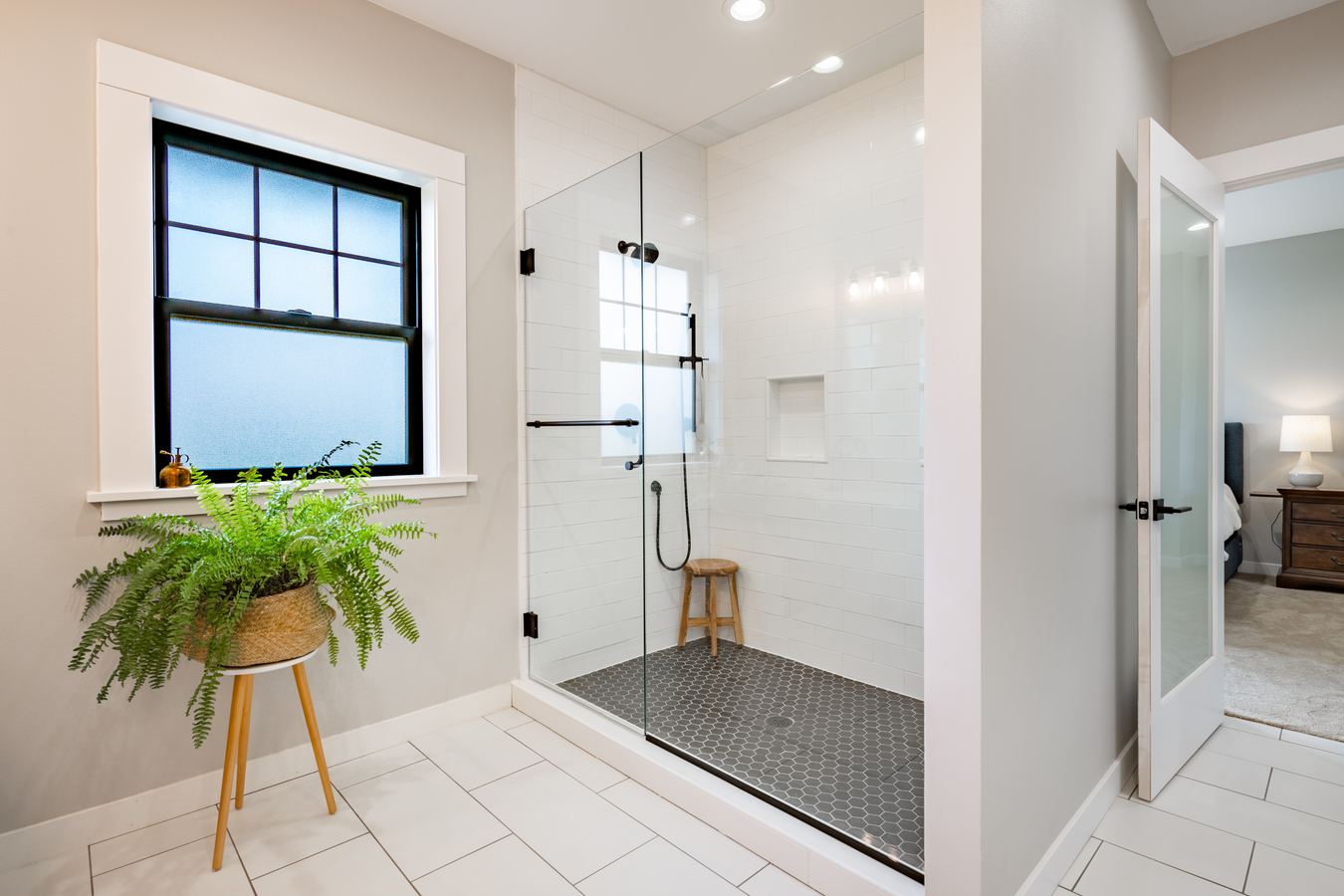
Tiled walk-in shower
Ceramic & porcelain tile

Fired clay with a glazed surface. Virtually impervious to water when properly grouted. Unlimited design flexibility — any color, size, or pattern. Grout lines require sealing and periodic regrouting. The standard for high-end bath renovations.
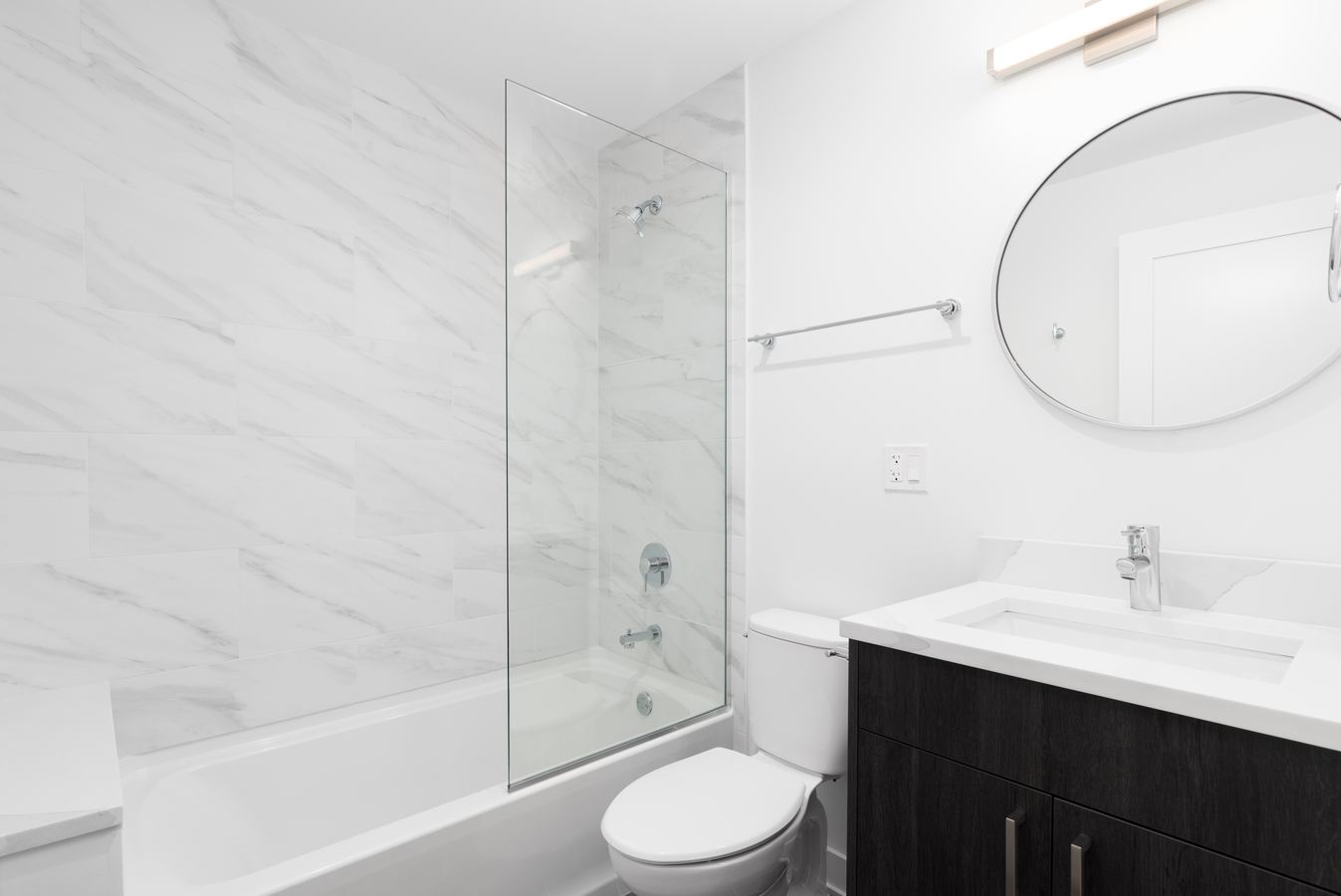
Bathroom with acrylic surround
Acrylic & solid surface

Prefabricated or custom panels made from acrylic or solid surface material. Install directly over existing walls in 1–2 days. Seamless construction eliminates grout lines where mold grows. Lighter cost and faster than tile. Prone to scratching over time.
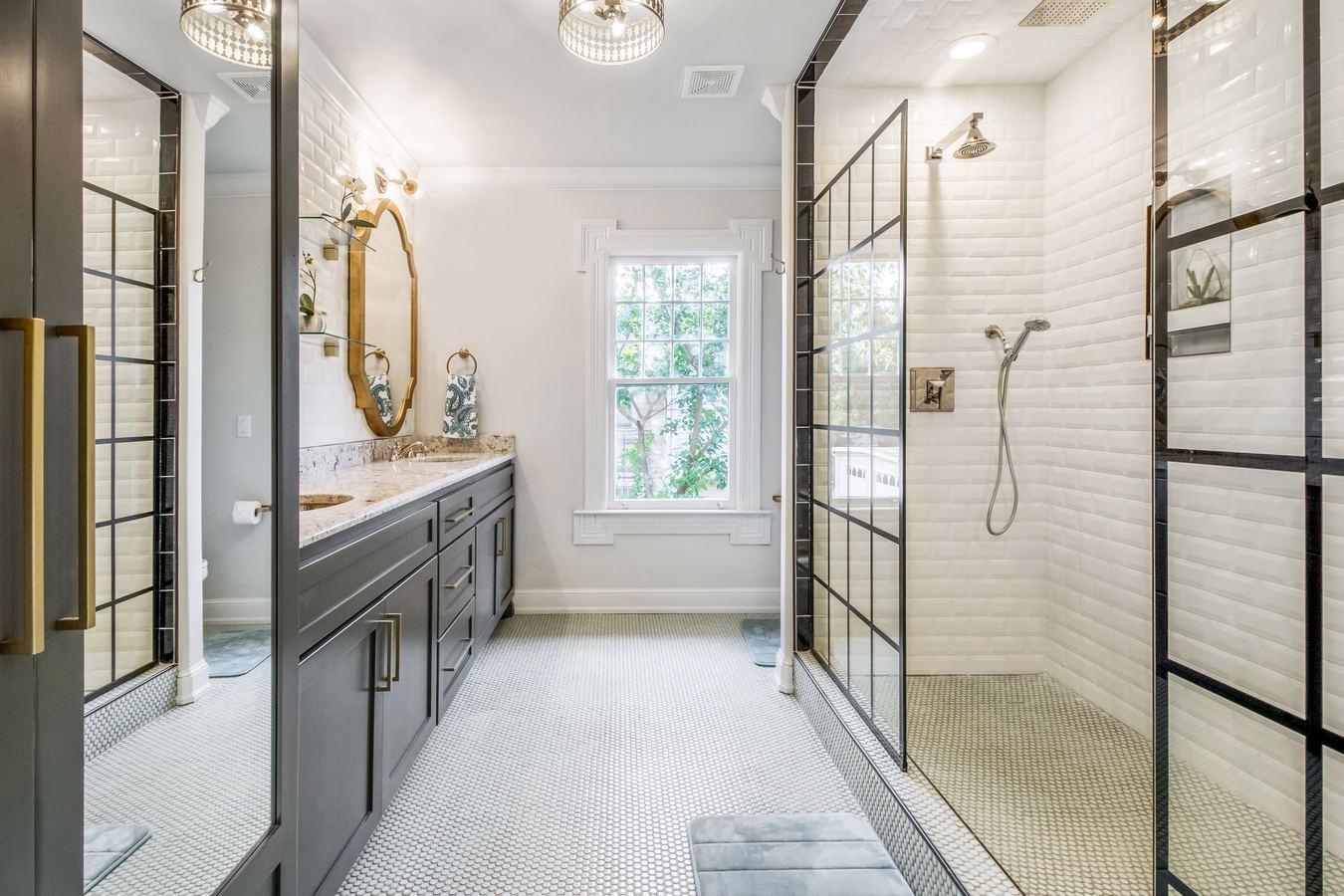
Spacious master bathroom
Natural stone (marble, travertine)

Quarried stone cut into slabs or tiles. Each piece is unique. Requires annual sealing. Highest cost per square foot. Adds significant resale value in luxury markets. Heavier: structural review may be needed for upper-floor bathrooms.

Walk-In Shower vs Tub: Which Adds More Value?

In most markets, a walk-in shower adds more resale value than a tub-shower combo — particularly in primary bathrooms. However, if your home has only one full bathroom, keeping a tub is strongly recommended. Buyers with young children or accessibility needs specifically seek homes with at least one tub.

The sweet spot for resale: a primary bathroom with a walk-in shower AND a separate freestanding tub. This combination appeals to the widest buyer pool and commands premium pricing in most markets above $400,000.

Types of Showers & Tubs

Beyond the walk-in-shower-vs-tub question above, these are the specific fixture types you’ll choose between once you’ve picked a direction.

Alcove tub/shower: The standard three-wall recessed unit most homes are built with — the most affordable to install or replace since it fits a standard framed opening.

Walk-in shower: A curbless or low-curb shower, often with frameless glass, built for accessibility and a more open, modern look.

Walk-in tub: A tub with a sealed door and low step-in threshold, built for aging-in-place and mobility needs rather than as a design upgrade.

Freestanding tub: A standalone soaking tub not attached to any wall — a design centerpiece in larger primary bathrooms, requiring more floor space and floor- or wall-mounted fill fixtures.

Frameless glass enclosure: Heavy tempered glass panels with minimal or no metal framing — the modern standard for walk-in showers, though it costs more than a framed or curtain enclosure.

Shower-tub combo: A single unit combining a tub base with a shower above — the most space-efficient option when you want both functions in one footprint.

Tile Selection Guide: PEI Rating Explained

The Porcelain Enamel Institute (PEI) rating indicates tile durability for foot traffic:

PEI 0: Wall tile only — never for floors.

PEI 1–2: Light residential floor use only.

PEI 3: Residential floors including kitchens.

PEI 4+: Required for shower floors and high-traffic areas.

Shower floor tile should also be small format (1"–4" mosaic or hex) to maximize grout lines for slip resistance. Large-format tile (12"+) looks great on shower walls but requires careful slope engineering on floors.

These are the questions homeowners ask most often before starting this project - what it costs, how long it takes, what a fair quote looks like and which details change the price. Each answer below is written to stand on its own, so you can read just the one you need.

The lowest-cost full bathroom remodel replaces the vanity, toilet, flooring, and installs an acrylic tub/shower surround over existing tile — avoiding demolition costs. Budget $5,000–$12,000 for a professional refresh. Painting, new hardware, and a new vanity light alone can cost under $1,500 and dramatically change the feel of the room.

A simple cosmetic refresh (vanity, fixtures, flooring) takes 1–3 days. An acrylic tub/shower system installation takes 1–2 days (the specialty of companies like West Shore Home). A full tile shower conversion takes 5–10 days. A complete gut-and-rebuild of a primary bathroom takes 2–4 weeks depending on scope and contractor scheduling.

In primary bathrooms, yes — particularly in homes over $300,000 in value. A walk-in shower (especially with frameless glass) signals luxury and appeals to the largest pool of buyers. If you have only one full bathroom, keep the tub — losing all tub access can reduce buyer pool and negotiating position.

Apply a penetrating tile and grout sealer annually. Ensure adequate ventilation (exhaust fan sized for the bathroom — at least 1 CFM per sqft). Use squeegee after each shower use. Consider epoxy grout (more expensive to install but virtually impervious to mold and staining) for shower floors.

An acrylic bath system replaces traditional tile with molded acrylic or solid surface panels that install directly over existing walls and tub. Companies like West Shore Home, Bath Concepts, and Mad City install them in 1–2 days. They are seamless (eliminating grout lines where mold grows), durable, and easy to clean — though they do not have the premium feel or longevity of high-end tile.
Remy
Ask Remy About Bath Materials
Free · No account needed