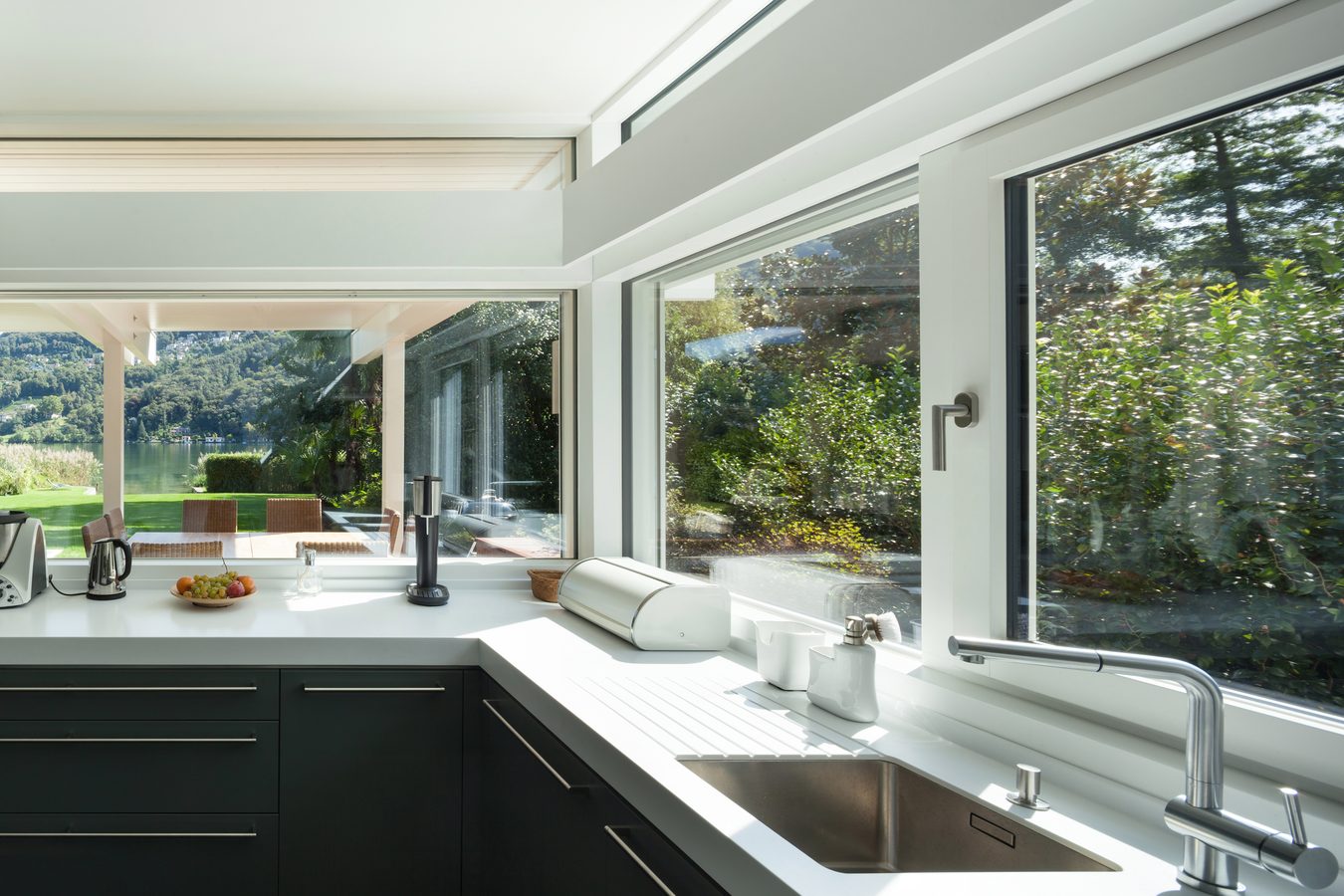

Standard HO-3 homeowners insurance covers window damage from named perils: windstorms, hail, falling objects (trees, branches), fire, vandalism, and certain water events. The damage must be sudden and accidental, not the result of deferred maintenance or normal aging. A window cracked by a hailstorm is covered. A window with a failed argon seal from age is not.
| Damage Type | Typically Covered? | Notes |
|---|---|---|
| Hail impact cracks | Yes | Document before cleanup |
| Storm/wind damage | Yes | Photograph with storm date context |
| Falling tree/branch | Yes | Negligence can affect coverage |
| Vandalism / break-in | Yes | File police report first |
| Failed insulating seal (foggy glass) | No | Manufacturer warranty issue |
| Screen damage only | Usually No | Screens often excluded |
| Normal wear and aging | No | Maintenance is owner responsibility |
Document everything before cleanup or temporary repairs. Take wide shots showing the full window and its context, then close-up photos of every point of damage. If hail caused the damage, photograph the hailstones alongside the damage for scale. Note the date and weather conditions. Storm reports from weather.gov can corroborate your claim timeline.
If the damage creates a safety hazard (broken glass, open frame), you're required to take reasonable steps to prevent further damage. Board it up or cover it with plastic. Keep receipts for any emergency materials. Insurers expect reasonable mitigation but cannot deny a claim because you secured a broken window before the adjuster arrived.
Call your insurer's claims line or file online as soon as possible after the damage event. Most policies require "prompt notice": typically 30 to 60 days, though this varies. Describe the cause clearly and specifically (e.g., "hailstorm on [date]" not "weather damage"). The insurer will assign a claim number and schedule an adjuster inspection.
For vandalism or break-in claims, file a police report first and provide the report number when you file the insurance claim. Without a police report, vandalism claims are frequently denied.
Actual Cash Value (ACV) policies pay out the depreciated value of your damaged windows: what they were worth at the time of loss, not what new windows cost. A 15-year-old single-pane window may have an ACV of almost nothing. Replacement Cost Value (RCV) policies pay what it actually costs to replace the window with a comparable new unit. RCV policies cost more in premium but make a material difference at claim time.
Check your policy declarations page before you file. If you have an ACV policy and older windows, the settlement may be significantly less than the repair or replacement cost.
Be present during the adjuster inspection. Walk them through every damaged window and point out damage they might miss, including damage to frames, trim, and surrounding siding if applicable. You're not required to accept the adjuster's initial estimate as final. If you believe it's low, you can request a re-inspection or hire a public adjuster to represent you.
Get repair estimates from two or three licensed contractors before accepting a settlement. If the settlement doesn't cover the actual repair cost, present the contractor estimates and request a supplement. Most insurers will negotiate on documented cost differences.
The most frequent denial reasons: the damage is attributed to deferred maintenance rather than a covered event, the claim was filed too late after the event, documentation was insufficient, or the damage is specifically excluded (screens, seal failure, cosmetic damage). Read your policy's exclusions section carefully. If a claim is denied, you have the right to request a written explanation and to appeal.
Photograph the damage before you touch anything. Claims get delayed or reduced for want of documentation more than for any dispute about the damage itself, and a few minutes with your phone protects the whole claim.