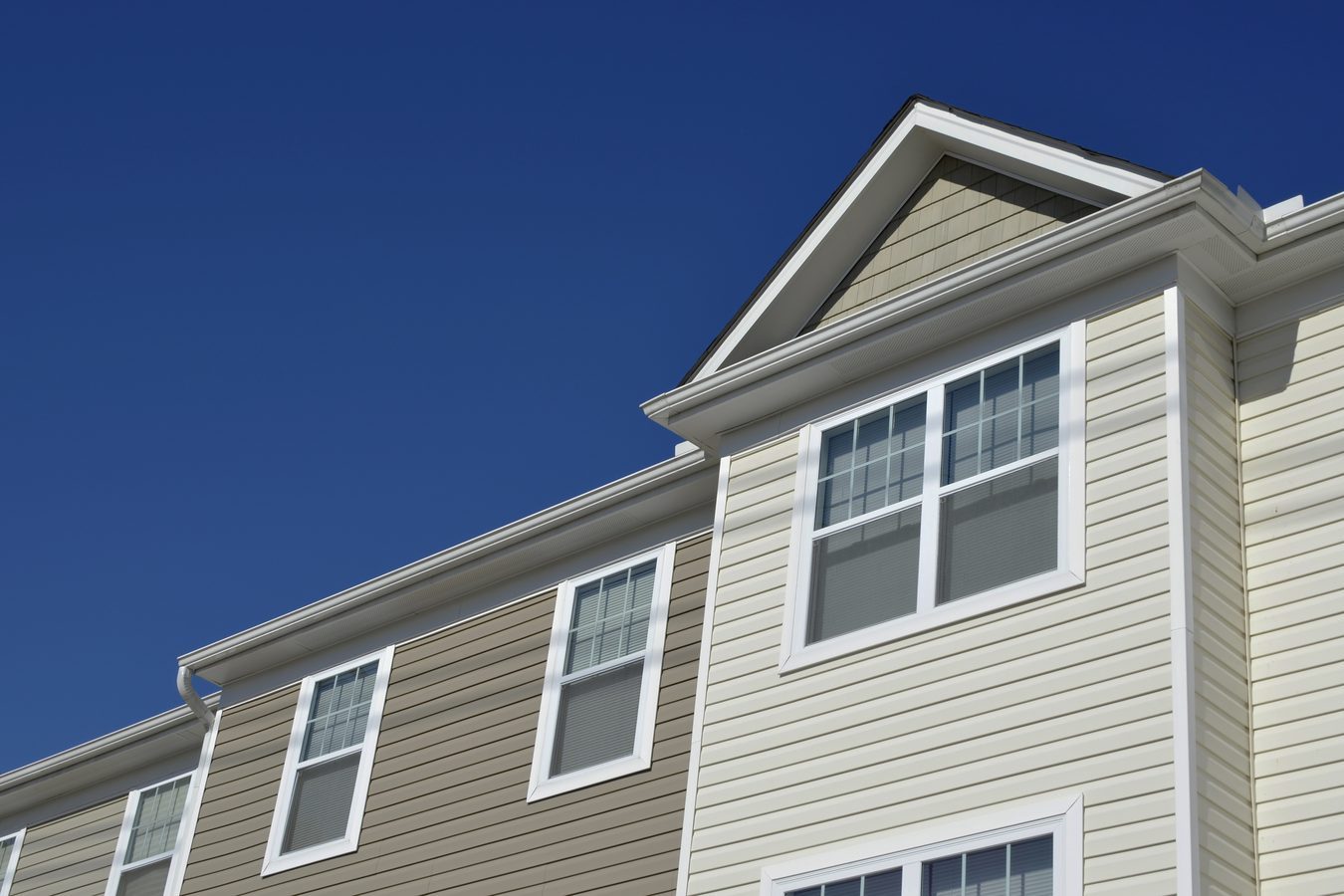

Zillow's exterior color research found that homes with greige (gray-beige) or taupe exteriors sold for a premium over white in several markets. A separate Zillow analysis of 135,000 home photos found that specific exterior color choices correlated with sale price differences of $3,500 to $6,000 compared to average. The mechanism is simple: colors that appeal to the broadest buyer pool reduce time on market and support full-price offers.
NAHB buyer preference surveys consistently show that neutral exteriors rank highest for purchase intent. Bold colors (bright yellow, orange, red) narrowed the buyer pool significantly in all markets surveyed.
| Color Category | Resale Performance | Best For |
|---|---|---|
| Greige / Warm Taupe | Excellent | Most architectural styles |
| White / Crisp Off-White | Excellent | Colonial, farmhouse, traditional |
| Soft Gray | Very Good | Contemporary, craftsman |
| Navy / Dark Blue | Very Good | Cape cod, coastal, craftsman |
| Sage / Muted Green | Good | Craftsman, cottage, wooded settings |
| Charcoal / Deep Gray | Good (markets dependent) | Modern, contemporary |
| Bright Yellow | Poor | Narrows buyer pool significantly |
| Bright Red or Orange | Poor | Not recommended for resale |
Colors that track very closely to a particular design trend tend to date as the trend fades. The beige-heavy palettes of the 1990s now read as dated in most markets. Certain greens from the early 2000s follow the same pattern. The safest long-term choices are classic neutrals with long track records: white, warm gray, and navy have been appealing across multiple decades. If you're choosing for resale in 10+ years, classic always outperforms trend-forward.
A classic approach: use your siding as the dominant color (60–70% of visual impact), your trim as a complementary lighter or contrasting tone (20–30%), and your front door as an accent (10%). Most professional color consultants recommend choosing your roofing material's color first (since it's often the most expensive to change), then selecting siding to complement it. Warm-toned roofing (brown, tan) pairs well with warm siding. Cool-toned roofing (gray, slate) works well with cool or neutral siding.
Most major paint manufacturers (Sherwin-Williams, Benjamin Moore) offer digital visualization tools that apply colors to a photo of your home. This is useful for general direction but can't replicate how natural light interacts with actual painted surfaces. The most reliable test: buy sample pots and paint 12x12 inch boards. View them against your home at different times of day: morning light, midday, late afternoon, and overcast. Colors shift significantly across lighting conditions.
If your neighborhood has a Homeowners Association, check the CC&Rs and any approved color palettes before selecting siding color. Many HOAs require exterior color approval and maintain a palette of pre-approved options. Violations can result in required repainting at your expense. Most HOA-approved palettes trend toward neutral earth tones, which happens to align with resale best practice. The constraint and the goal usually point the same direction.
If you're selling in the next few years, stick to the broadly appealing neutrals: greige, white, soft gray. If you're staying long-term, the resale impact of color alone is real but modest, so pick what you actually love.