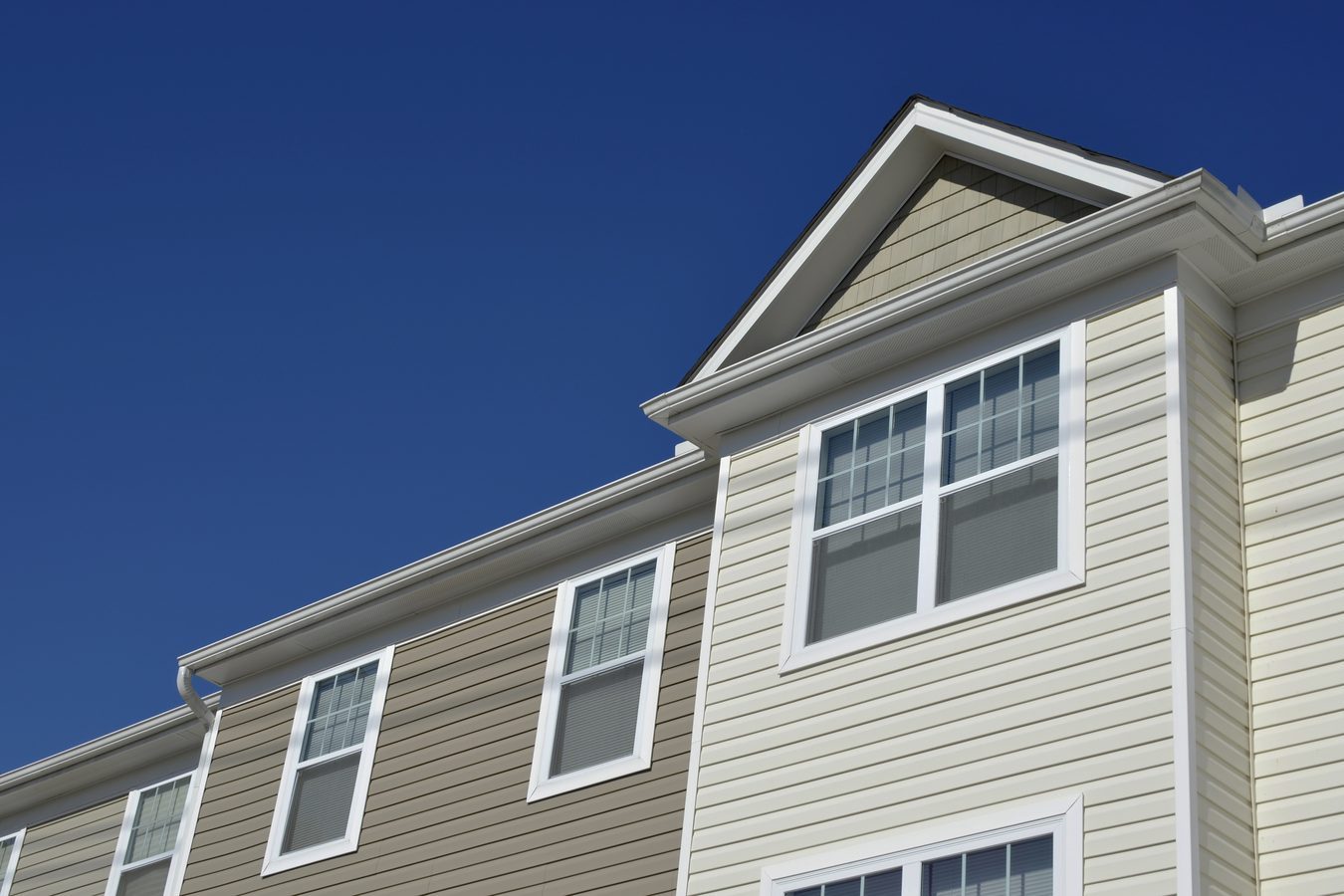

A complete siding quote should itemize every component of the project. Vague single-number quotes protect the contractor, not you. Before accepting any quote, verify it explicitly addresses all of the following:
| Quote Line Item | What to Look For | Estimated Range* |
|---|---|---|
| Square footage measurement | Should match your calculation ± 5% | N/A |
| Siding product specification | Exact brand, product line, profile, color | Varies widely |
| Old siding removal & disposal | Should be explicitly included or excluded | $1–$3/sq ft |
| Housewrap / weather barrier | New installation or inspection of existing | $0.40–$0.80/sq ft |
| Permit fees | Required in most jurisdictions | $150–$500 flat |
| Trim and fascia | Included or separate? | $3–$6/ln ft |
| Caulking and painting | Included for primed products? | Varies |
| Warranty terms | Both manufacturer and contractor labor | N/A |
*All cost estimates on this page are planning estimates, not quotes. Actual costs vary by location, project scope, materials, site conditions, and contractor. See methodology and sources.
Three is the minimum; four or five is better for projects over $15,000. NARI research consistently shows siding bids vary 25 to 40% for the same scope. Without three quotes, you have no market baseline. Request quotes within a two-week window to ensure you're comparing current pricing. Contractor backlogs and material costs shift throughout the year. Collect quotes before you've committed to a specific product so contractors are bidding apples-to-apples.
Ask specifically: Are you licensed and insured? (Request certificate of insurance.) Do you pull permits, and is permit cost included in this quote? What is the exact product you're quoting: brand, product line, profile? Is old siding removal included? Does your quote include a new housewrap? What is your warranty on labor? Have you installed this specific product before and can you provide references? The answers will tell you as much as the price.
Siding contractors purchase product at distributor pricing, typically 20 to 35% below retail. They mark that up in the quote. Material markup is normal and covers their procurement overhead. What varies is how much. Some contractors mark materials up 15%; others mark up 40%. You can't easily see the markup in a bundled quote, which is why line-itemized quotes and multiple bids are your best tools for ensuring the total is competitive.
Permit-skipping is the most serious red flag. Siding replacement usually needs a permit. Confirm with your local building department; a contractor who proposes skipping it is exposing you to code violations and potential issues with your homeowners insurance. Cash-only payment requests, no written contract, unusually low bids (more than 25% below the median), and inability to provide a license number or certificate of insurance are all disqualifying. See our contractor red flags guide for a full checklist.
Late fall and winter (October through February) are the slowest months for exterior contractors in most northern markets. Contractors with open schedules are more willing to negotiate on labor to keep crews working. Spring and summer are peak season. Contractors are busier, prices are higher, and scheduling is harder. If your project is not urgent, targeting a fall installation window can reduce labor costs by 10 to 15% compared to peak season.
The spread between the lowest and the highest legitimate siding quote on the same house can run into thousands of dollars, enough to matter more than any negotiating you do afterwards. Three quotes cost you one afternoon of phone calls and are the single most effective thing you can do to control the price.