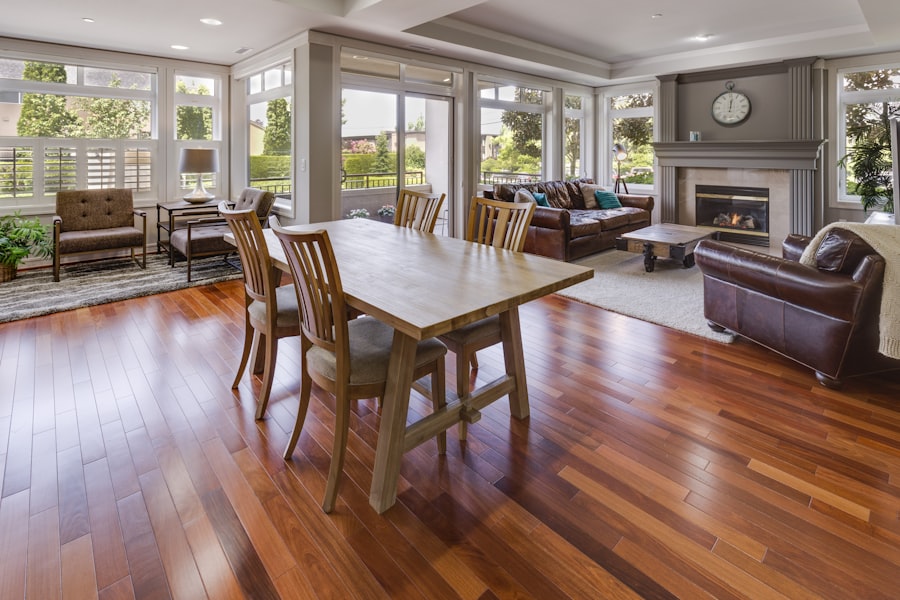
Solid hardwood vs. luxury vinyl plank: cost, durability, moisture resistance, and resale value compared.
Hardwood wins on longevity, refinishability, and resale perception in premium markets. LVP wins on cost, waterproofing, and versatility. For most homes, a combination works well: hardwood in main living areas, LVP in kitchens, baths, and basements.
Material information and relevant data are maintained by Remodel Your Home’s editorial research team. Learn about our editorial standards.
Luxury vinyl plank (LVP) has disrupted the flooring market so thoroughly that it now outsells hardwood in the US. But solid hardwood still commands a premium at resale and offers something LVP can't: the ability to be sanded and refinished multiple times over a century. Here's how to decide which makes sense for your home and budget.
Solid hardwood floors can last 100+ years when properly maintained. They can be refinished 5–7 times, meaning surface scratches and wear are reversible. Hardwood refinishing isn't part of the Zonda Cost vs. Value Report, but a National Wood Flooring Association survey of real estate agents found homes with wood floors sell faster and for as much as 10% more. New hardwood installation runs $8–$20+ per sq ft installed* depending on species and width. The downside: hardwood is not waterproof and expands and contracts with humidity, making it unsuitable for basements or full bathrooms.
Modern LVP uses a rigid composite core that is 100% waterproof throughout its thickness, not just at the surface. It can go anywhere: basements, bathrooms, kitchens, mudrooms. It installs as a floating floor (no glue or nails) and runs $3–$8 per sq ft installed*. The tradeoff: LVP cannot be refinished. When it wears out (typically 15–25 years), it must be fully replaced. Some buyers perceive it as a lower-end material, which may affect resale expectations.
*All cost estimates on this page are planning estimates, not quotes. Actual costs vary by location, project scope, materials, site conditions, and contractor. See methodology and sources.
Answer a few questions and we will match you with contractors ranked by feedback from real homeowners.
Get Flooring Installation Quotes →